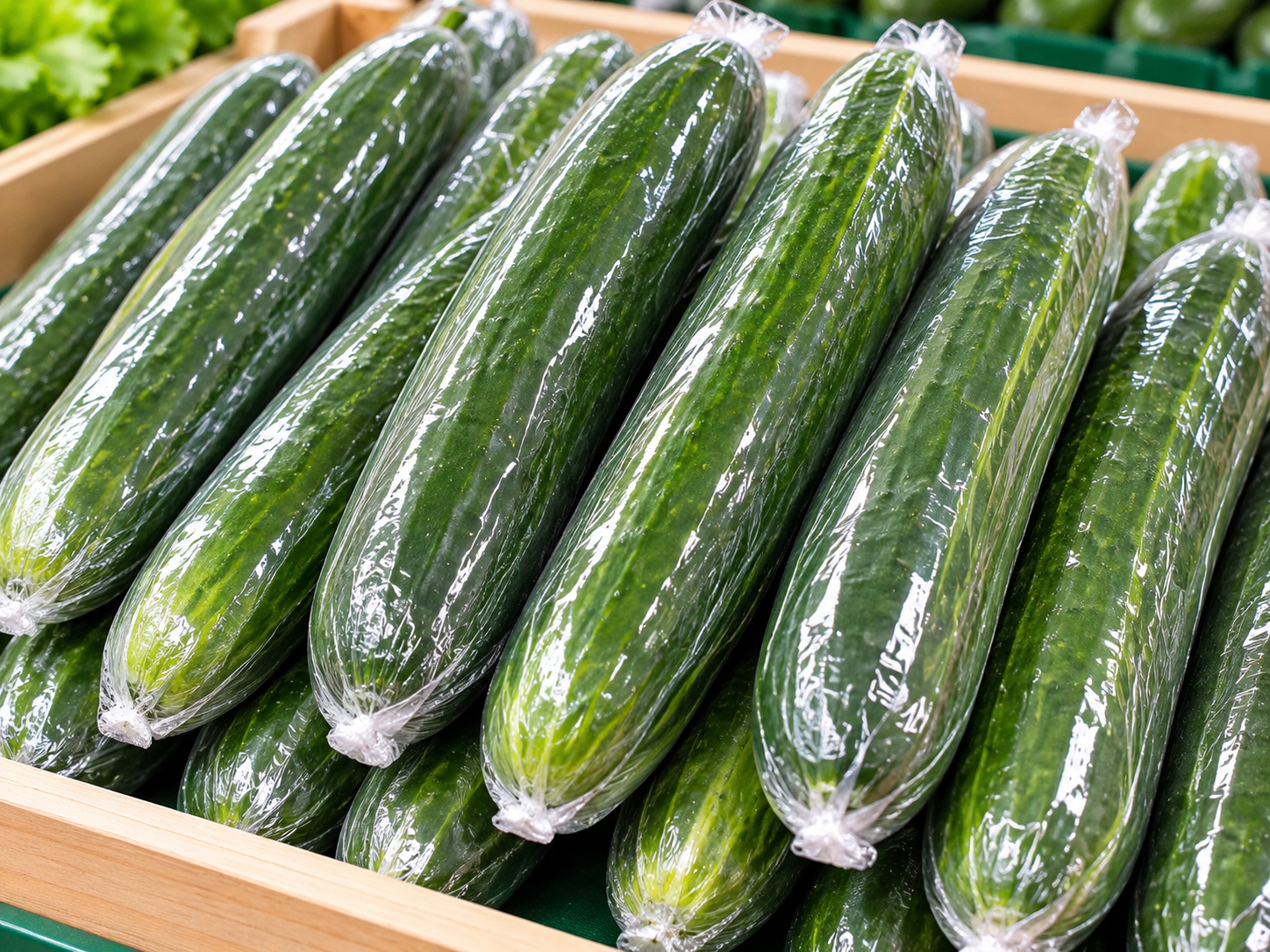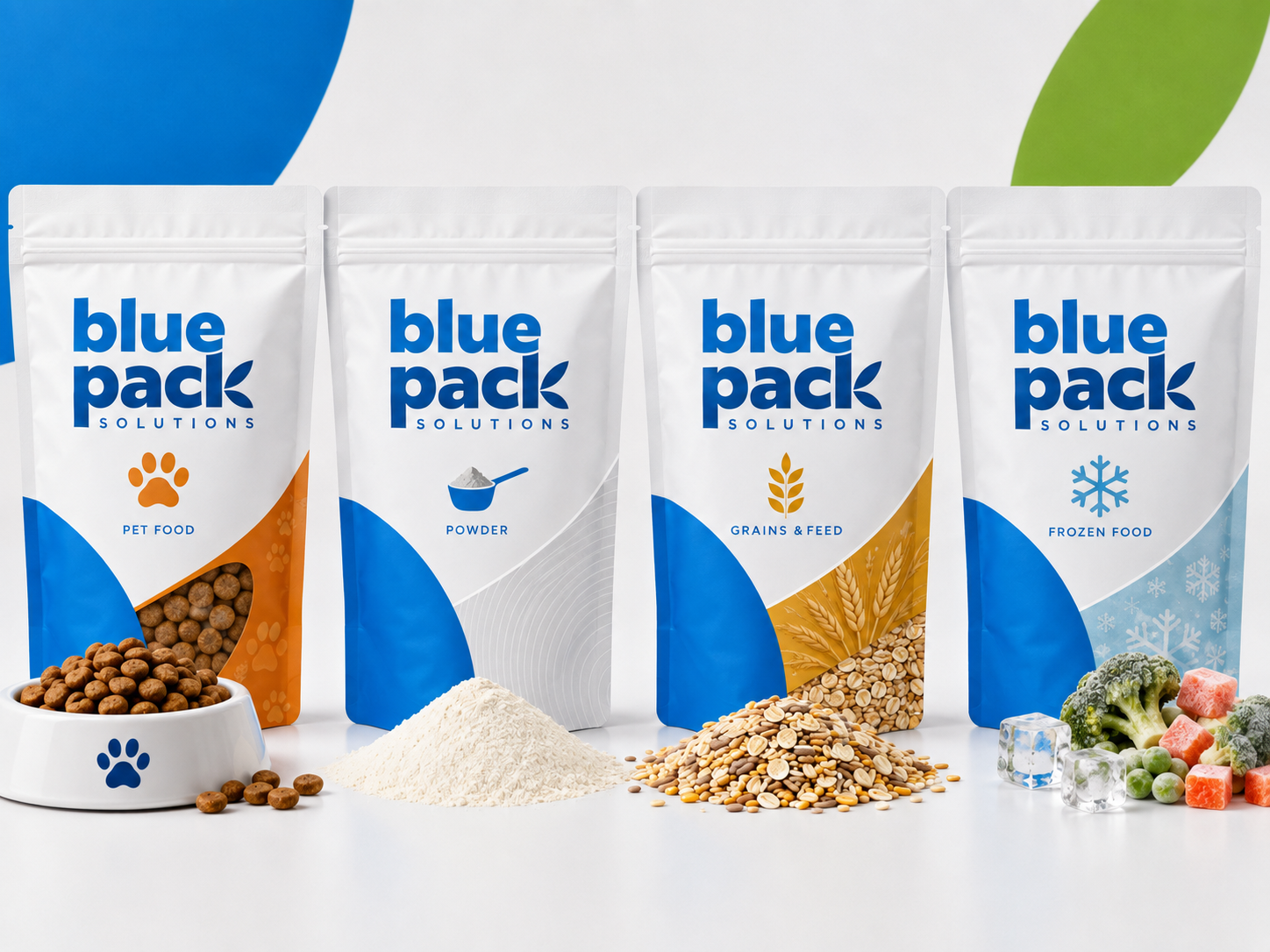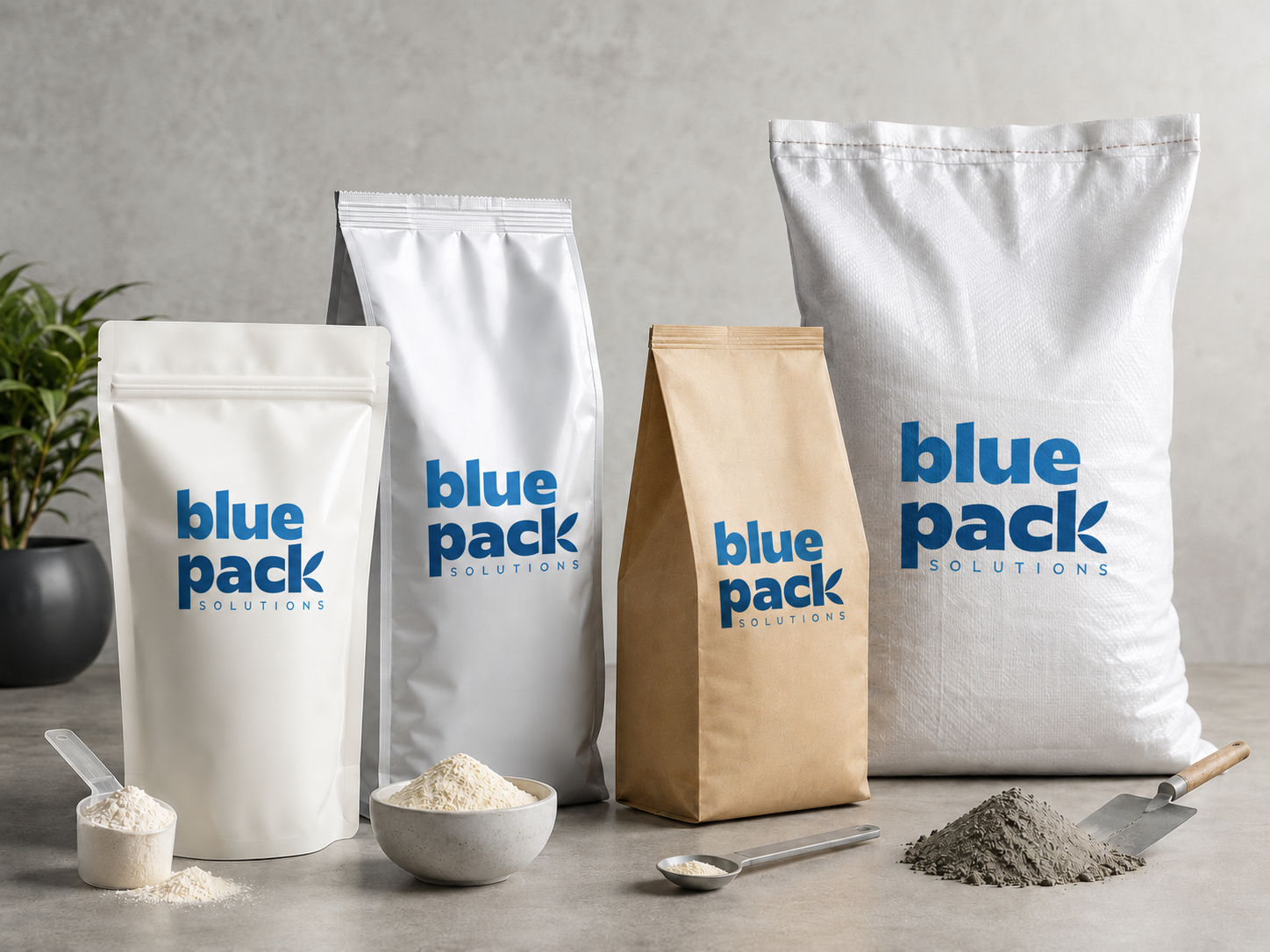
Learn how shrink PE can be used as primary food packaging, including its advantages, applications, technical considerations, logistics benefits, and sustainability potential.
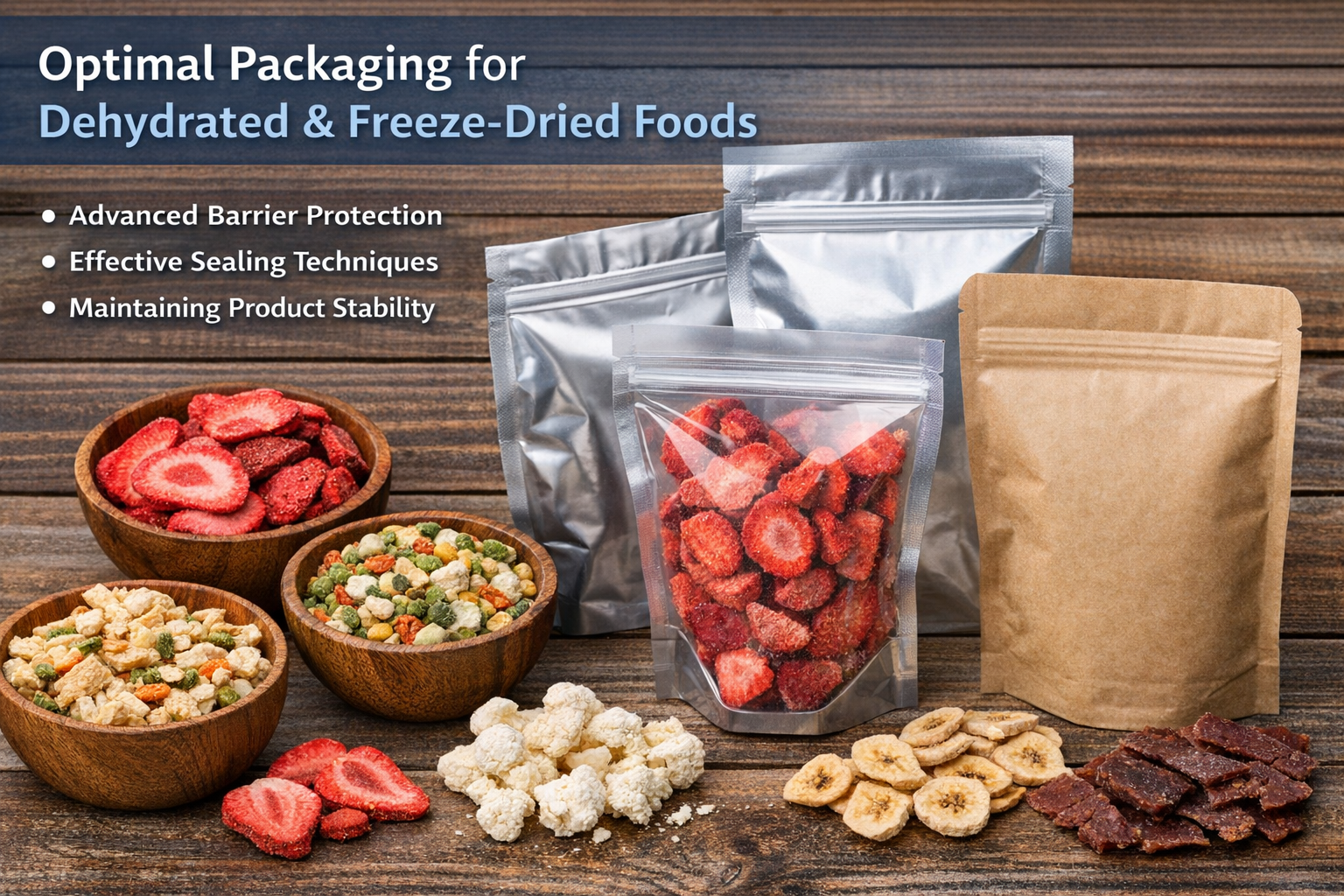
Optimal Packaging for Dehydrated and Freeze-Dried Foods: Barrier Engineering, Sealing and Stability
Dehydrated and especially freeze-dried foods represent one of the most demanding applications in flexible packaging. These products are highly hygroscopic, oxygen-sensitive, and structurally fragile. Packaging is not just a containment solution—it must preserve texture, water activity (aw), nutritional value, and sensory stability throughout shelf life.
Below is a technical framework to define the most efficient packaging solution for these applications.
1) Critical Product Requirements
Moisture control (WVTR)
This is the dominant variable. Freeze-dried products have extremely low aw and a porous structure that rapidly absorbs moisture.
Even minimal moisture ingress can cause:
- Loss of crispness
- Structural collapse
- Accelerated chemical reactions
👉 Typical requirement: ultra-low WVTR (often < 1–2 g/m²·day or lower depending on product).
Oxygen control (OTR)
Relevant for products containing:
- Fats (oxidation)
- Sensitive pigments
- Vitamins
👉 Typical requirement: OTR < 1–5 cc/m²·day depending on target shelf life.
Mechanical protection
Freeze-dried products are fragile and require packaging that withstands:
- Compression
- Drop impact
- Vibration during distribution
2) Recommended Structures
Traditional high barrier (maximum protection)
PET / ALU / PE
or
PET / ALU / CPP
✔ Excellent oxygen, moisture, and light barrier
✔ Maximum shelf life
✖ Limited recyclability
High barrier without foil (current trend)
PET / EVOH / PE
MDO-PE / EVOH / PE (recyclable mono-PE)
✔ Strong oxygen barrier
✔ Improved recyclability profile
✖ Moisture barrier depends on total structure design
Metallized structures (cost-performance balance)
PET / METPET / PE
BOPP / METBOPP / PE
✔ Good moisture barrier
✔ Good light protection
✔ Cost-efficient
✖ Lower oxygen barrier vs foil
Paper-based solutions (branding + function)
Paper / PE / EVOH
Paper / MET / PE
✔ Premium appearance
✔ Differentiation on shelf
✖ Requires careful engineering for barrier performance
3) Packaging Format Considerations
- Stand-Up Pouch → Retail-friendly, resealable
- Flat Bottom Pouch → Premium positioning, better stability
- Sachet / Flowpack → Portion control, high-speed lines
4) Sealing: A Critical Factor
Seal integrity is as important as barrier performance.
Key variables:
- Seal initiation temperature (SIT)
- Hot tack
- Seal strength under contamination (powders)
Common failures:
- Microchannels → moisture ingress
- Weak seals → loss of hermeticity
5) Additional Design Factors
- Desiccants for high humidity environments
- Nitrogen flushing to reduce oxygen
- Resealable systems for consumer use
6) Common Mistakes
- Underestimating humidity in logistics
- Selecting materials based on cost only
- Not validating barrier after flexing
- Ignoring sealing performance
Conclusion
Efficient packaging for dehydrated and freeze-dried foods requires precise engineering, not just material selection.
The best solutions integrate:
- Moisture control
- Oxygen barrier
- Mechanical integrity
- Process compatibility
- Sustainability considerations
Entradas Relacionadas