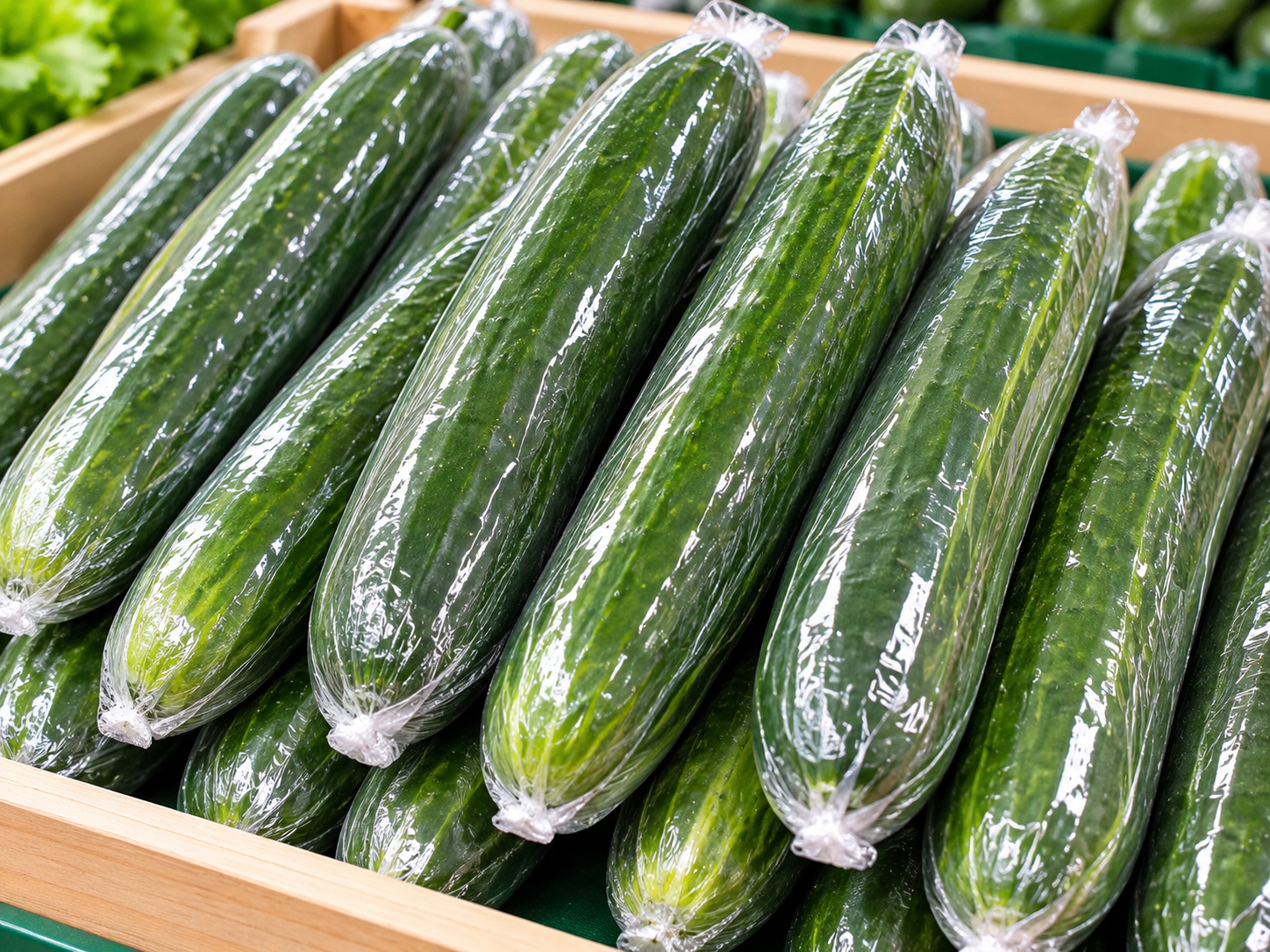
Learn how shrink PE can be used as primary food packaging, including its advantages, applications, technical considerations, logistics benefits, and sustainability potential.
OTR vs. WVTR: The Two Metrics That Define High-Barrier Packaging Performance
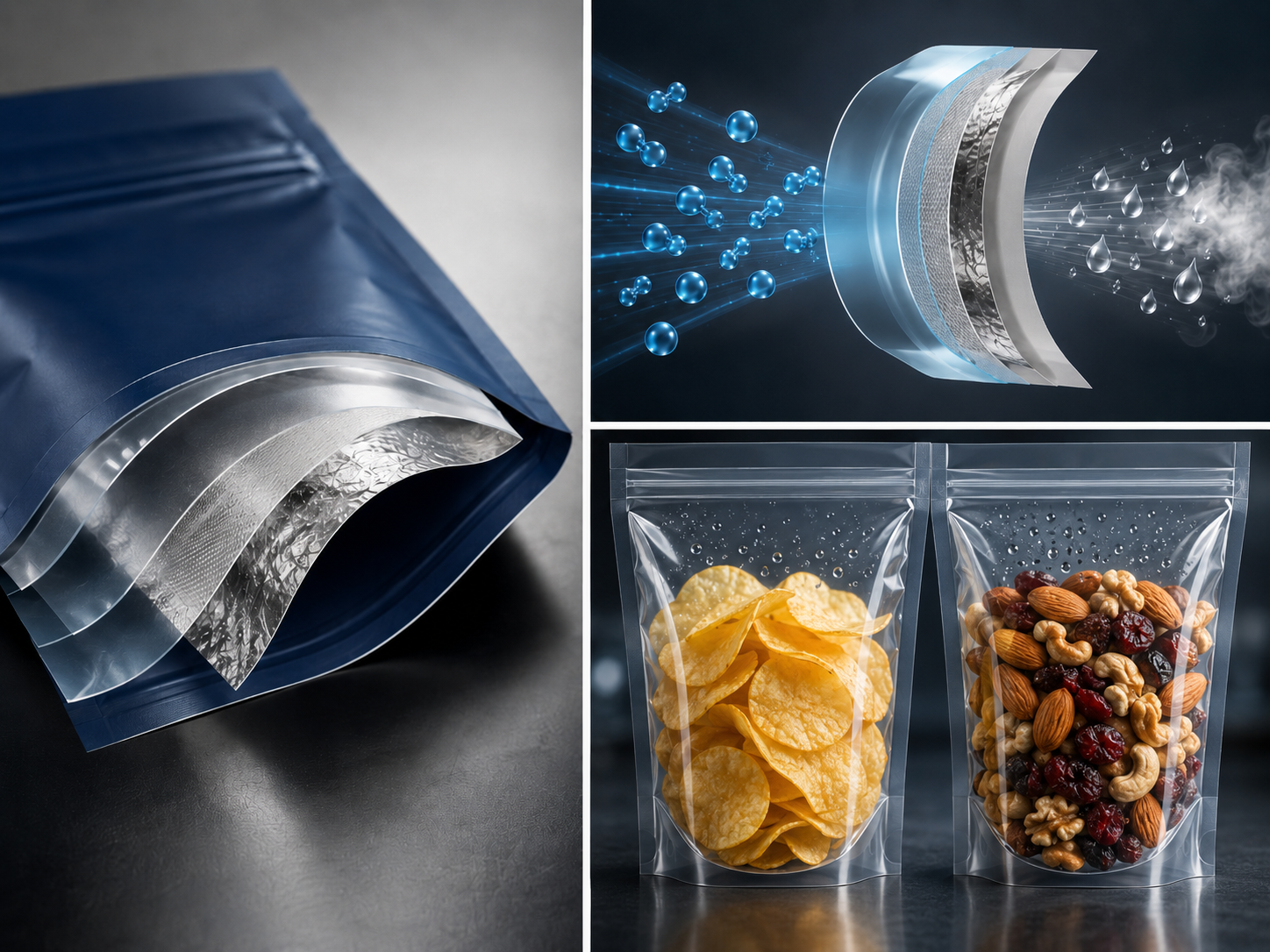
When discussing high-barrier flexible packaging, terms such as EVOH, metallized films, multilayer structures, and next-generation recyclable films are often part of the conversation. However, behind all these technologies are two fundamental indicators that objectively measure material performance: OTR (Oxygen Transmission Rate) and WVTR (Water Vapor Transmission Rate).
Understanding the difference between these two parameters is essential when selecting the right packaging structure and ensuring that a product maintains its properties throughout its intended shelf life.
What Is OTR?
OTR (Oxygen Transmission Rate) measures the amount of oxygen that can pass through a packaging material under specific temperature and humidity conditions.
Oxygen is one of the main causes of deterioration in many food products. Its presence can lead to:
- oxidation of fats and oils;
- loss of flavor and aroma;
- food discoloration;
- reduced shelf life;
- degradation of sensitive nutrients.
For this reason, products such as coffee, snacks, nuts, processed foods, and pet food require structures with very low OTR values.
Technologies such as EVOH, AlOx, SiOx, and certain metallized structures are used specifically to minimize oxygen transmission.
What Is WVTR?
WVTR (Water Vapor Transmission Rate) measures the amount of water vapor that passes through a film or packaging structure over a defined period.
Moisture can be just as damaging as oxygen. When a product absorbs humidity from the environment, it can experience significant quality changes, including:
- loss of crisp texture;
- clumping in powdered products;
- changes in consistency;
- microbial growth;
- reduced stability during storage and distribution.
Snacks, cookies, chocolates, nutritional supplements, and pharmaceutical products often depend on structures with low WVTR values to maintain their original characteristics.
Which One Is More Important?
The answer depends entirely on the product.
Roasted coffee, for example, is highly sensitive to oxygen, making OTR a critical parameter. A fried snack or cookie, on the other hand, may be more affected by humidity, making WVTR more relevant.
In many cases, the real challenge is finding a structure that provides the right balance between both properties.
That is why packaging development should not be based only on the type of material used, but on the actual performance the full structure delivers against the specific factors that affect the product.
The Relationship Between OTR, WVTR, and High-Barrier Structures
Modern flexible packaging technologies aim to optimize both parameters simultaneously.
Today, high-barrier solutions may incorporate:
- EVOH to reduce oxygen transmission;
- recyclable MDO-PE structures;
- transparent AlOx and SiOx coatings;
- high-performance metallized films;
- multilayer laminates designed for specific applications.
The goal is not always to achieve the highest possible barrier. The real objective is to deliver the right barrier level for each product, avoiding unnecessary costs and improving the sustainability profile of the packaging.
The Future of Barrier Engineering
As the industry moves toward recyclable and monomaterial structures, the importance of measuring and optimizing OTR and WVTR will continue to grow.
Brands are no longer looking only to extend shelf life. They now need to balance performance, sustainability, logistics efficiency, and circular economy goals.
Understanding these two indicators is the first step toward designing smarter, more efficient flexible packaging.
Blue Pack Solutions
At Blue Pack Solutions, we develop flexible packaging structures designed to deliver the barrier level each application requires, integrating high-barrier technologies, recyclable solutions, and material optimization strategies.
Protecting what the world creates.
Smarter Packaging. Sustainable Solutions.
Entradas Relacionadas