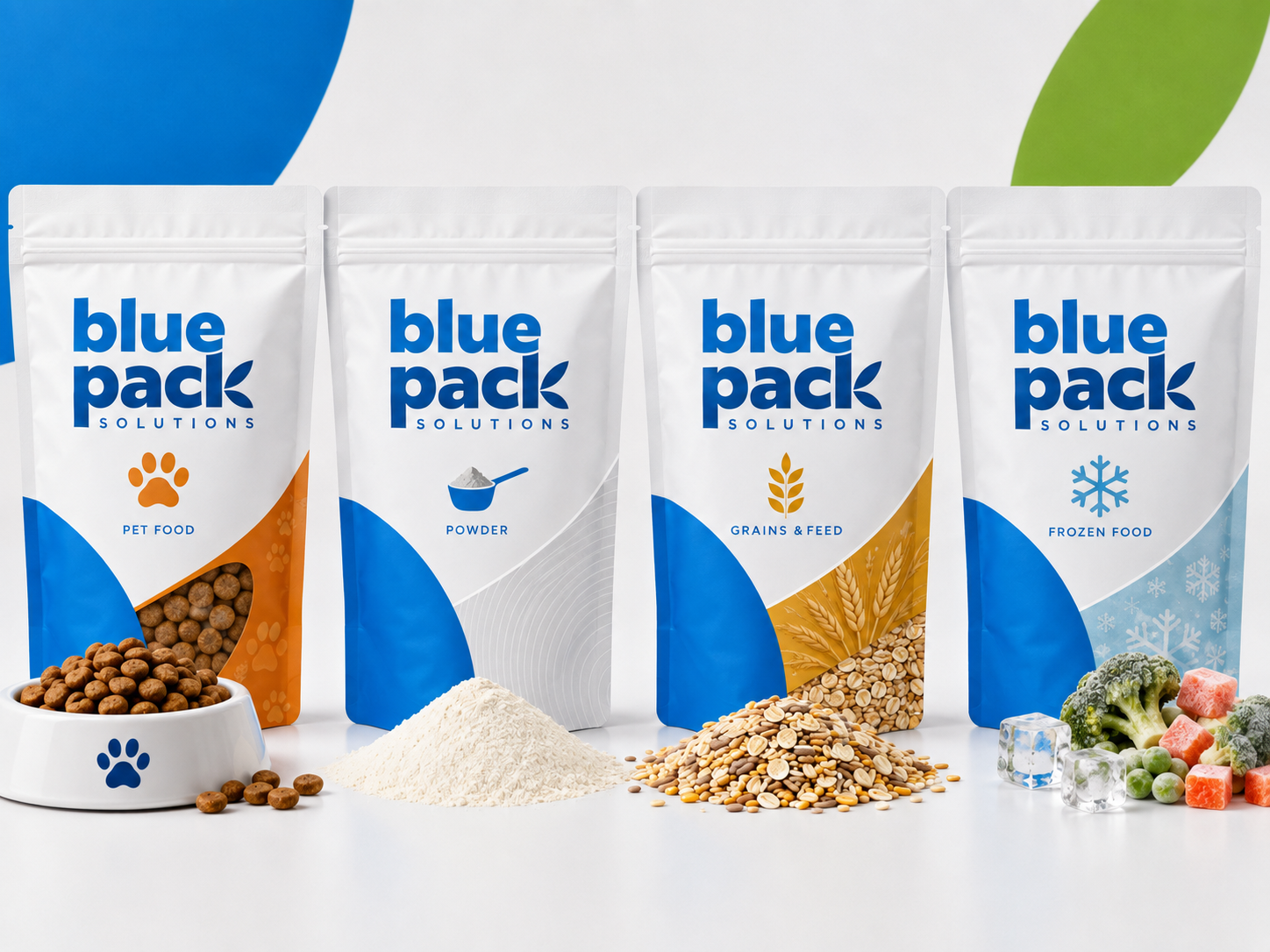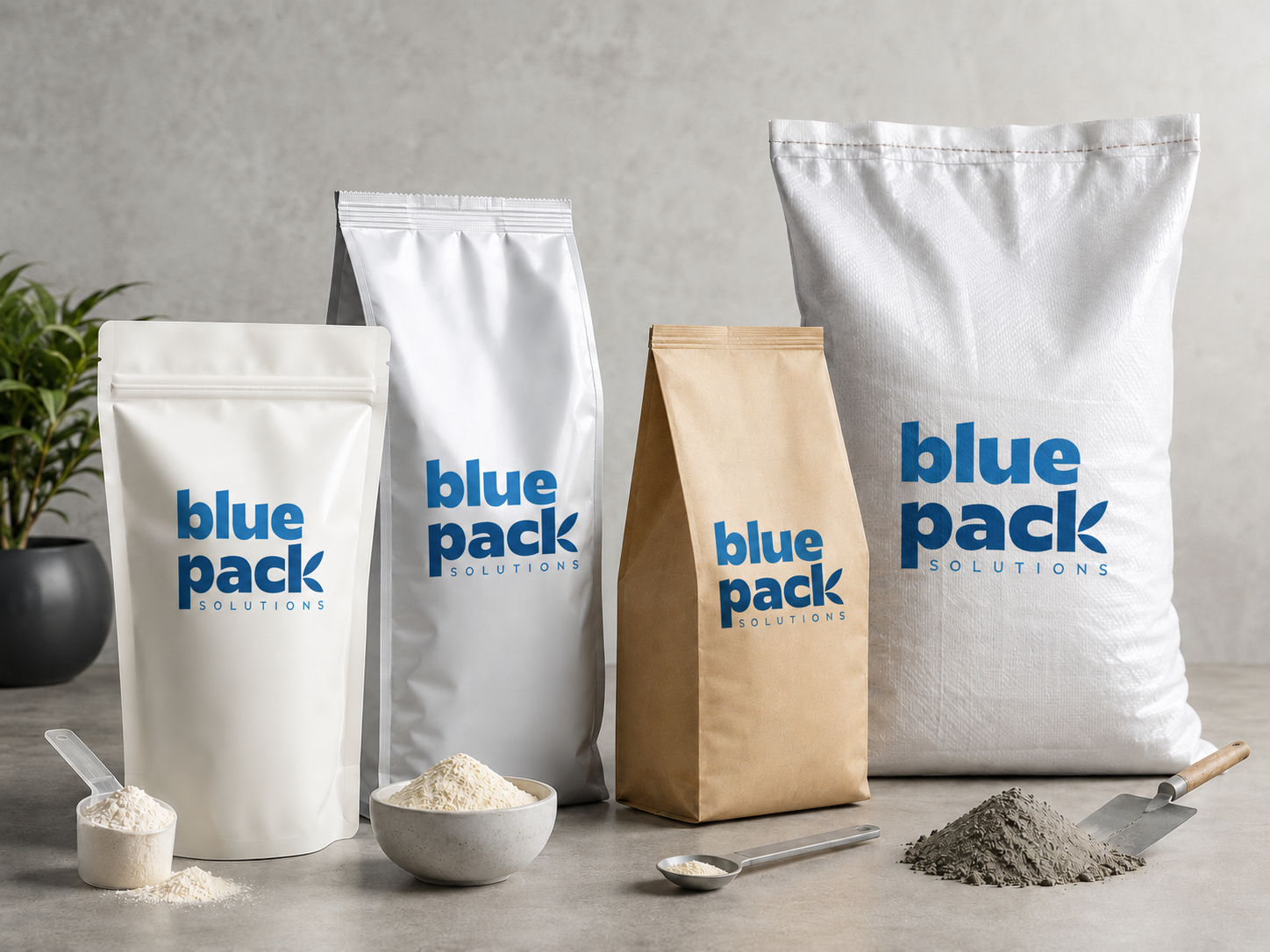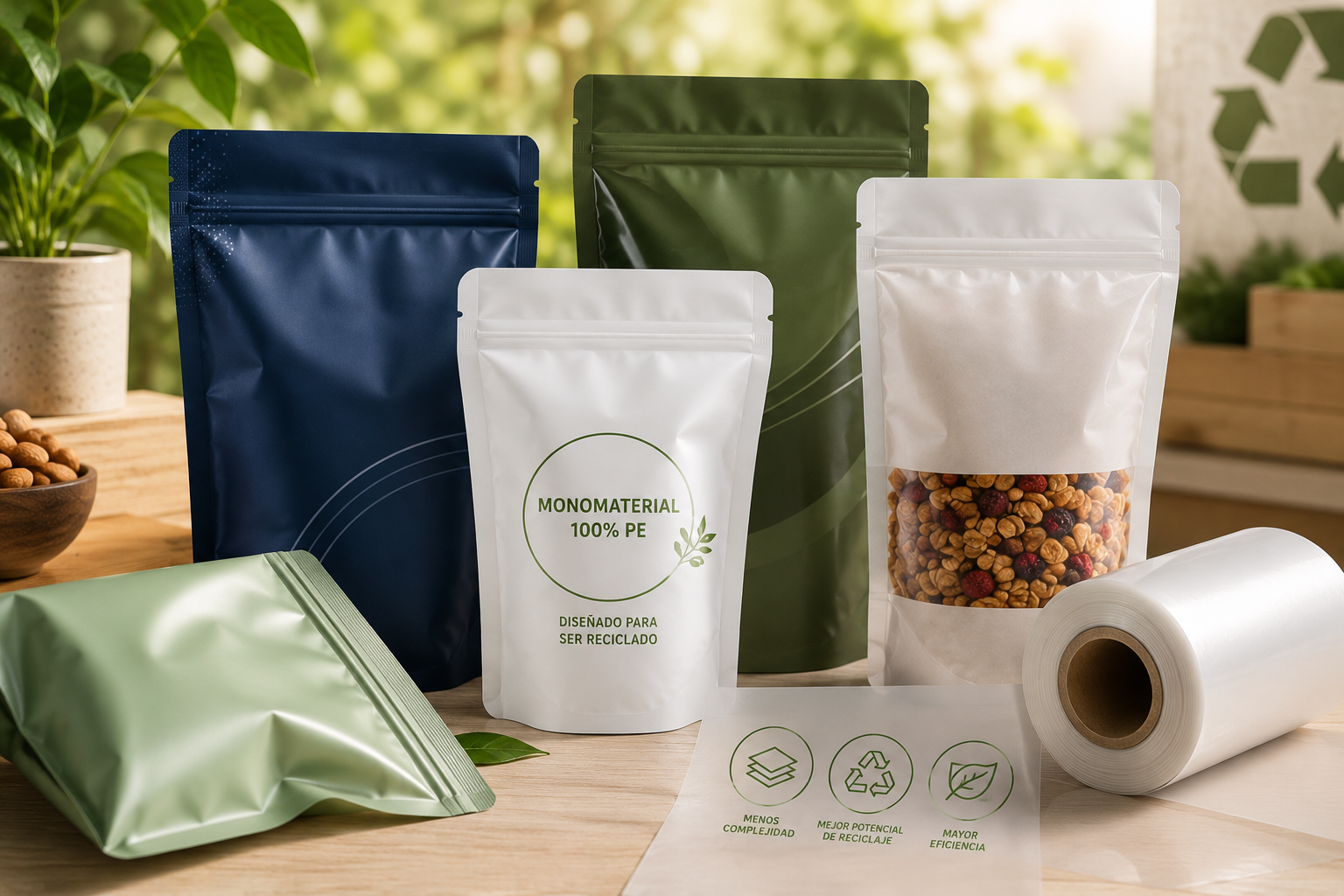
Learn how to choose the right flexible packaging structure based on product type, barrier needs, resistance, sealing performance, shelf life, distribution, and sustainability goals.
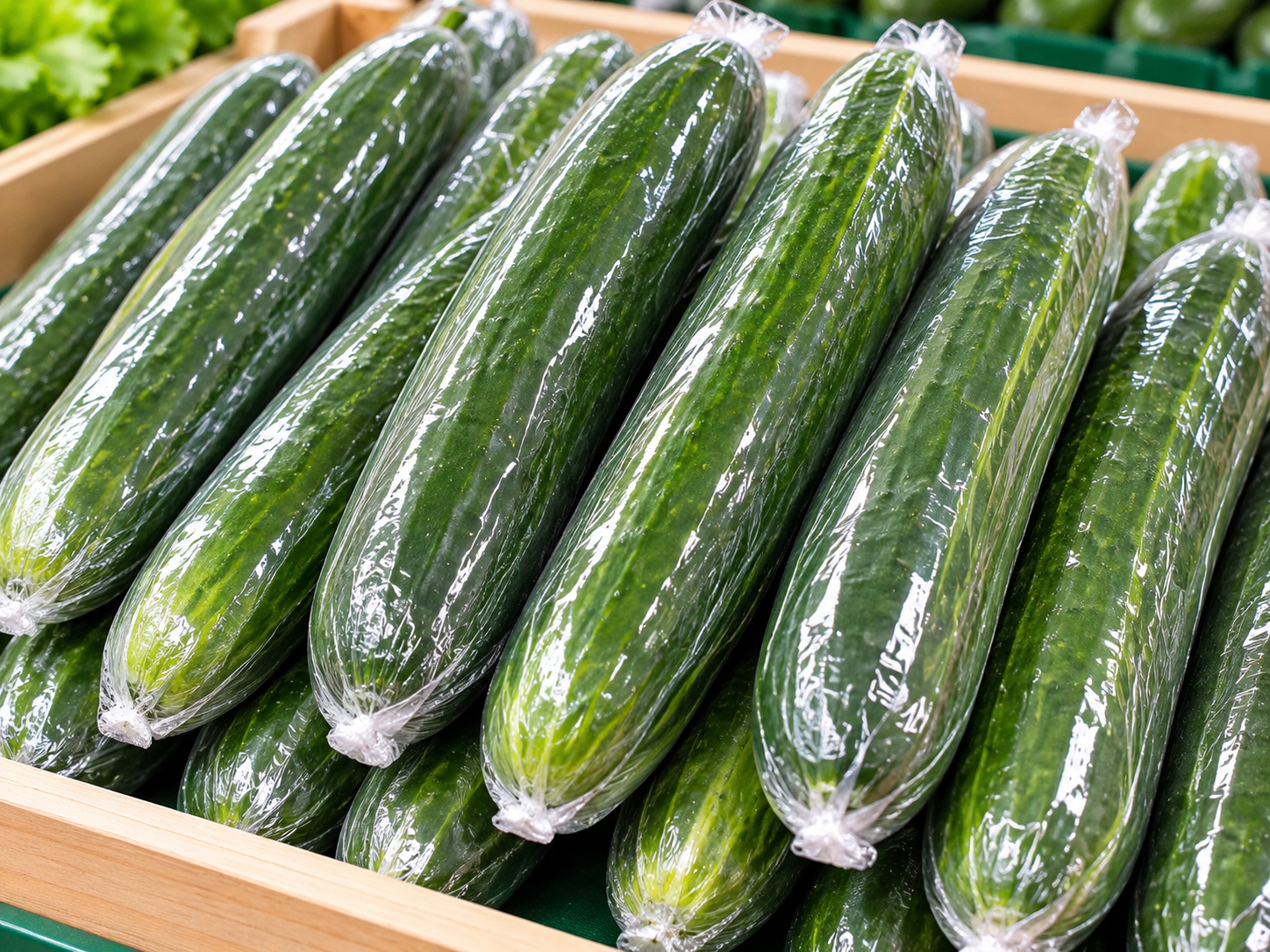
Shrink PE as Primary Packaging for Food: Protection, Efficiency, and Presentation.
In the food industry, primary packaging plays a critical role: it comes into direct contact with the product, protects it throughout its life cycle, and helps preserve its presentation until the point of sale or consumption.
Within flexible packaging alternatives, shrink PE represents an efficient solution for certain food applications that require product fit, resistance, visibility, grouping, or protection during distribution and display.
Although shrink film is often associated with secondary packaging or product bundling, it can also be used as primary packaging when the film is made with food-grade materials and complies with the requirements for direct food contact.
What Is Shrink PE?
Shrink PE is a polyethylene film designed to contract in a controlled way when exposed to heat. During the packaging process, the film wraps around the product and then passes through a heat tunnel or thermal system that allows the material to adapt to the shape of the contents.
This behavior creates a compact, resistant, and visually clean package, especially useful for products that require physical stability, surface protection, or a more orderly presentation.
From a technical perspective, the performance of shrink PE depends on variables such as:
- Type of resin used
- Film gauge
- Shrink percentage
- Direction of shrinkage
- Mechanical resistance
- Application temperature
- Transparency or pigmentation
- Print treatment
- Compatibility with food contact
Use as Primary Packaging in Food
When used as primary packaging, shrink PE comes into direct contact with the food. For that reason, the structure must be food-grade and designed according to the type of product, storage conditions, and expected shelf life.
This type of packaging can be useful for foods where the goal is to achieve:
- Product fit
- Protection against dust, surface moisture, and handling
- Physical containment
- Product visibility
- Resistance during transportation
- Clean shelf presentation
- Material reduction compared to rigid packaging or more complex tray systems
Not all foods are suitable candidates for shrink PE as primary packaging. Selection depends on the product’s sensitivity to oxygen, moisture, fat, temperature, dehydration, migration, or external contamination.
Possible Applications
Shrink PE can be evaluated for different food applications, especially solid, semi-solid, or grouped products where the film provides protection and stability.
Possible applications include:
- Fresh or processed foods with short or medium shelf life
- Refrigerated products
- Cheeses
- Processed meats
- Bakery and pastry products
- Selected fruits and vegetables
- Food trays
- Frozen foods
- Food multipacks
- Products that require visibility and surface protection
In some cases, it can work together with trays, cartons, or internal supports. In others, it can function as a direct wrap, as long as the product and applicable regulations allow it.
Advantages of Shrink PE
One of the main advantages of shrink PE is its ability to adapt to the shape of the product. This reduces space, improves package stability, and creates a more compact presentation.
It also provides relevant benefits for operations and distribution.
Physical Protection
The film helps protect the product from dust, handling, surface moisture, and light abrasion. It can also provide resistance during logistics, especially when the package must withstand friction, movement, or grouping.
Logistics Efficiency
By adjusting to the product, shrink PE can reduce volume, improve compactness, and make products easier to arrange in boxes, shelves, or pallets. This can support better efficiency in storage and transportation.
Clean Presentation
When transparent film is used, consumers can see the product clearly. When pigmented or printed film is used, the package can communicate brand identity, commercial information, or visual differentiation.
Material Reduction
In certain applications, shrink PE may require less material than some rigid packaging formats or more complex systems. This can help reduce weight, volume, and material consumption, as long as the food remains properly protected.
Compatibility with Automation
Shrink PE can be integrated into automated packaging lines, supporting speed, consistency, and production efficiency.
Technical Considerations
To correctly define shrink PE as primary food packaging, several factors must be analyzed.
1. Type of Food
Packaging a dry, fatty, moist, frozen, or refrigerated food product requires different considerations. Each product has different risks.
A dry food may require protection against moisture. A fatty product may require material compatibility with oils or fats. A frozen food needs a film that maintains flexibility at low temperatures. A fresh product may require breathability or condensation control, depending on the application.
2. Shelf Life
Shrink PE is not always designed to provide high oxygen barrier. For that reason, if the food is sensitive to oxidation, aroma loss, rancidity, or color changes, higher-barrier structures or combinations with other materials may need to be evaluated.
When the main objective is fit, physical protection, and presentation, shrink PE can be a suitable option. When the main objective is extended shelf life, its barrier properties should be carefully reviewed.
3. Temperature Conditions
The package must be designed according to whether the product will be stored at room temperature, under refrigeration, or frozen. For frozen foods, the film must resist low temperatures without cracking or losing integrity.
It is also important to validate the heat tunnel temperature to avoid negative effects on the food, especially in heat-sensitive products.
4. Mechanical Resistance
The film gauge and formulation must be defined according to product weight, puncture risk, abrasion, corners, edges, handling, and transportation conditions.
Primary packaging must preserve its integrity from the packaging process through final consumption.
5. Sealing
The seal must be consistent, hermetic, and compatible with line speed. In food applications, a poor seal can compromise safety, presentation, and shelf life.
For this reason, variables such as sealing temperature, pressure, dwell time, contamination in the seal area, and final seal strength must be validated.
6. Food Contact Requirements
When used as primary packaging, the film must comply with the applicable requirements for direct food contact. This means using food-grade materials and having the corresponding technical documentation.
Sustainability and Shrink PE
From a sustainability perspective, shrink PE can offer advantages when it helps reduce weight, optimize transportation, or replace heavier packaging solutions. In addition, because it is based on polyethylene, it may have better compatibility with certain recycling streams than complex multimaterial structures.
However, sustainability should not be analyzed in isolation. A lighter or more recyclable package is only a good solution if it also protects the food properly. If the package fails to preserve the product, increases waste, or causes returns, the overall environmental impact may be higher.
The challenge is to find the right balance between:
- Material reduction
- Food protection
- Logistics efficiency
- Recycling compatibility
- Line performance
- Adequate shelf life
In this sense, shrink PE can be an interesting alternative for applications where the main function is physical protection, product fit, presentation, and packaging efficiency.
Difference Between Primary and Secondary Packaging
An important clarification: shrink PE can be used both as primary and secondary packaging, but the requirements are different.
As secondary packaging, it is commonly used to group bottles, cans, boxes, or products that are already packed. In this case, it does not always come into direct contact with the food.
As primary packaging, it may be in direct contact with the food, so formulation, safety, migration, sealing, and material compatibility become much more critical.
That is why, before specifying shrink film for direct food contact, the intended use must be validated.
When Should Shrink PE Be Evaluated?
Shrink PE can be an appropriate option when the product needs:
- Close product fit
- Good visibility
- Surface protection
- Compact presentation
- Resistance during handling
- Line efficiency
- Material reduction
- A flexible alternative to rigid packaging
- Grouping or physical containment
It would not usually be the first option if the product requires high oxygen barrier, extreme moisture barrier, intense light protection, or very long shelf life without support from other packaging elements.
Information Needed to Specify the Material
To develop the right shrink PE solution as primary packaging, it is useful to define:
- Type of food
- Product weight and dimensions
- Whether food contact is direct or indirect
- Expected shelf life
- Storage conditions
- Distribution temperature
- Required barrier level
- Transparency, pigmentation, or printing
- Type of packaging line
- Heat tunnel temperature
- Required shrink percentage
- Desired gauge
- Regulatory requirements
- Sustainability goals
With this information, it is possible to design a film that responds better to both the product and the process.
Conclusion
Shrink PE can be an efficient solution as primary packaging for food when product fit, protection, resistance, and clean presentation are required. Its ability to adapt to the product makes it a practical alternative to improve handling, stability, and logistics efficiency.
The key is correct specification. Like any flexible packaging solution, its performance depends on the relationship between product, material, process, and shelf life.
At Blue Pack Solutions, we develop flexible packaging solutions for food applications based on the technical and commercial needs of each product: protection, resistance, efficiency, presentation, and sustainability.
Blue Pack Solutions
Smarter Packaging, Sustainable Solutions.
Entradas Relacionadas