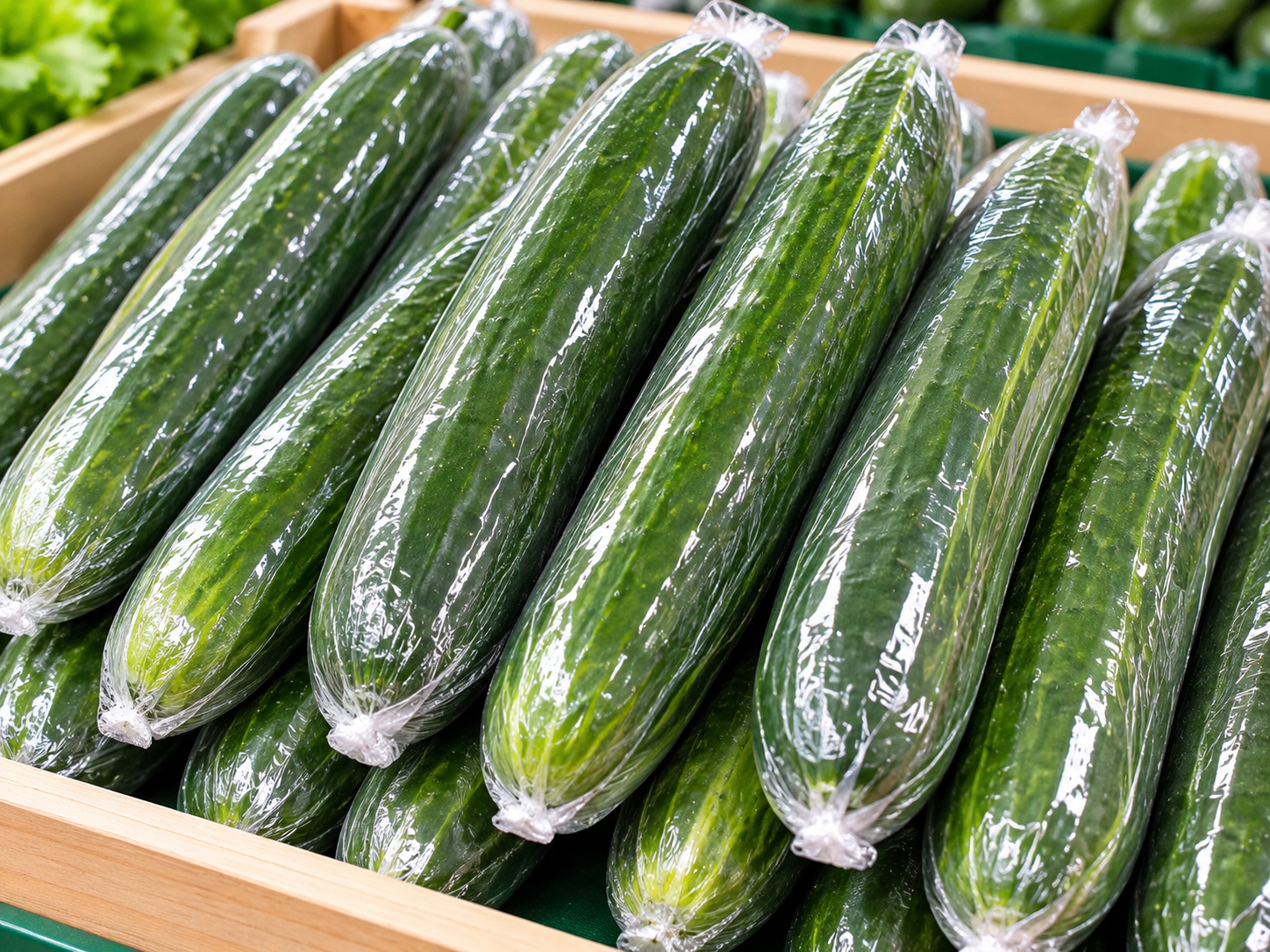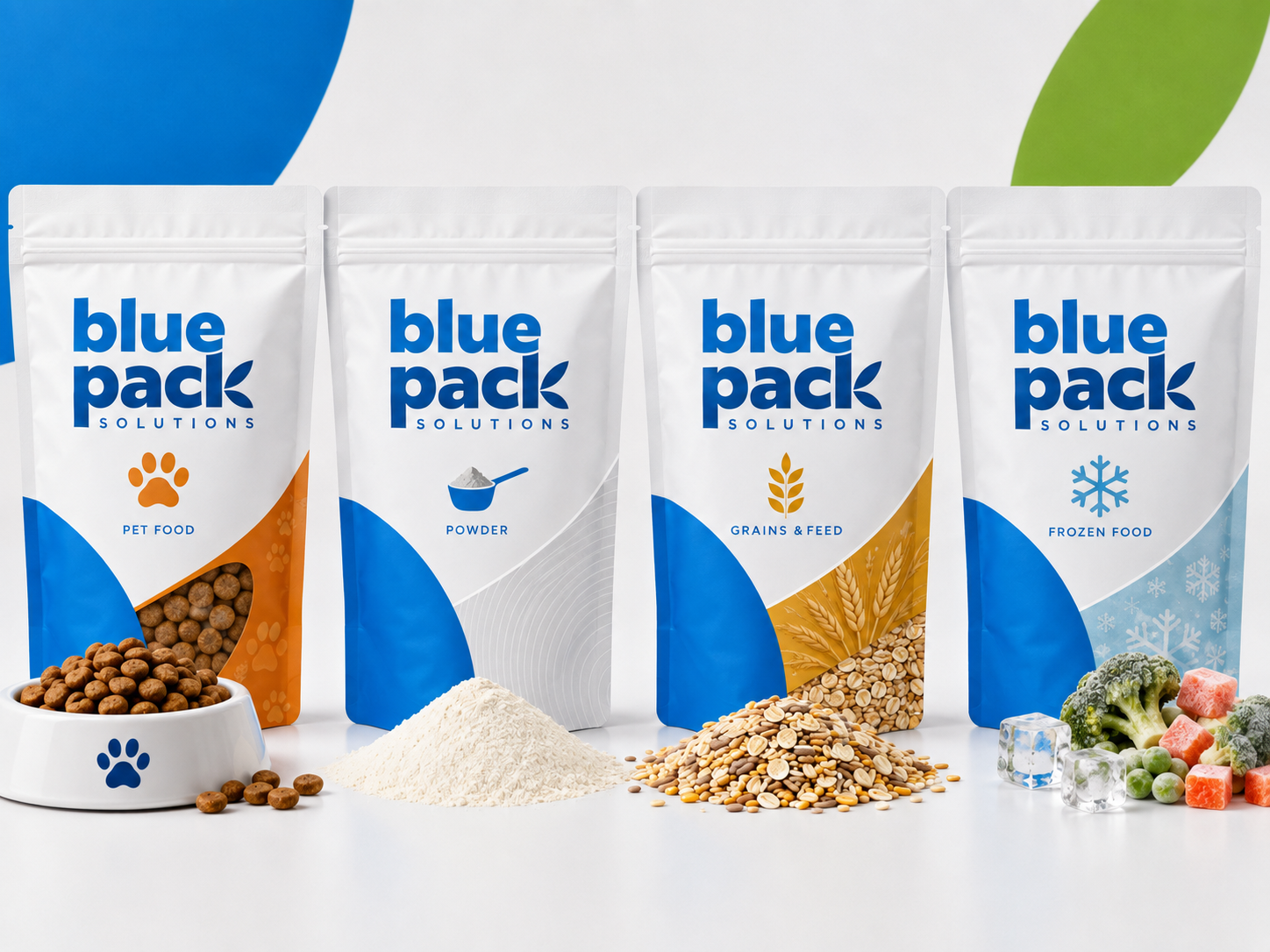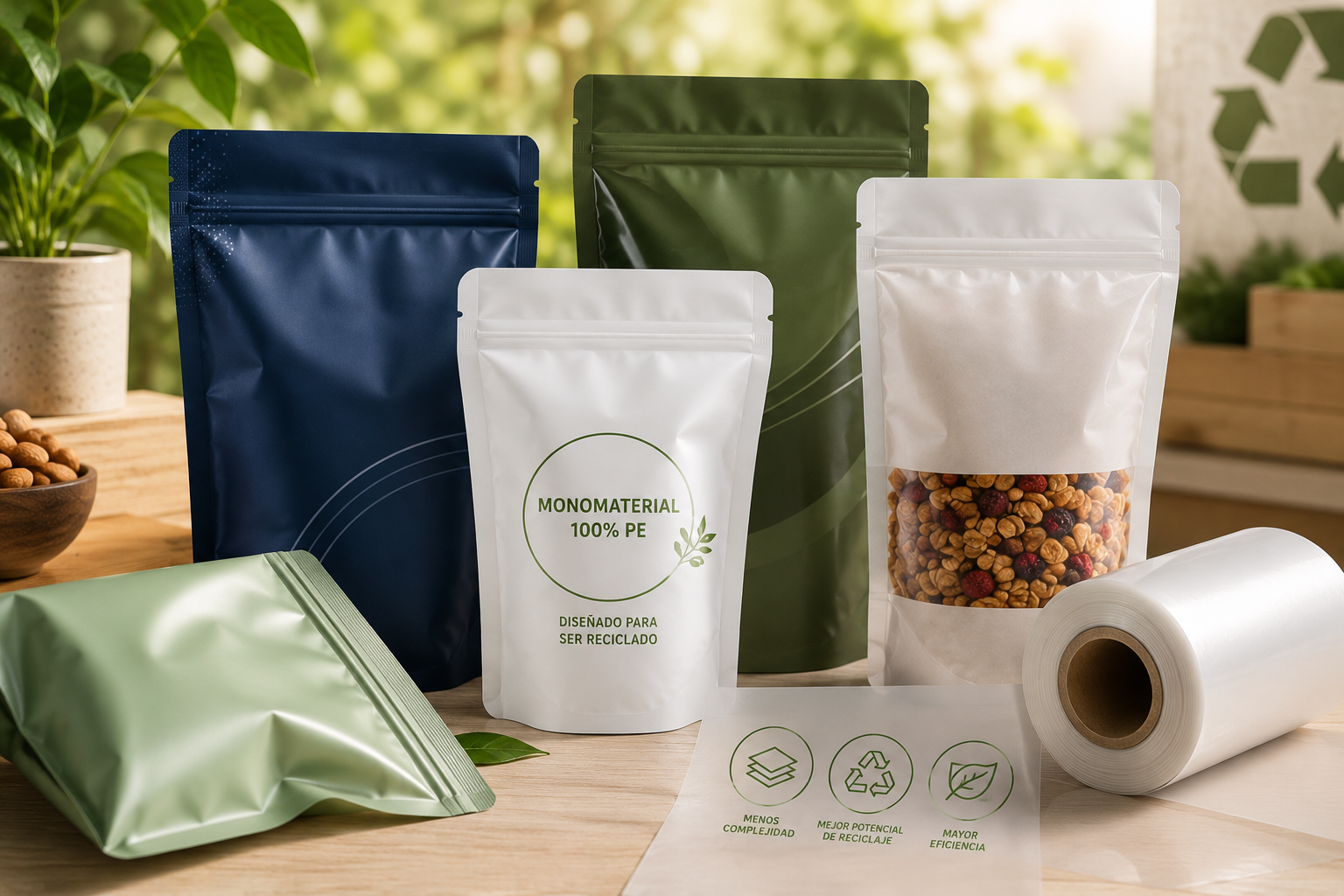
Learn how shrink PE can be used as primary food packaging, including its advantages, applications, technical considerations, logistics benefits, and sustainability potential.
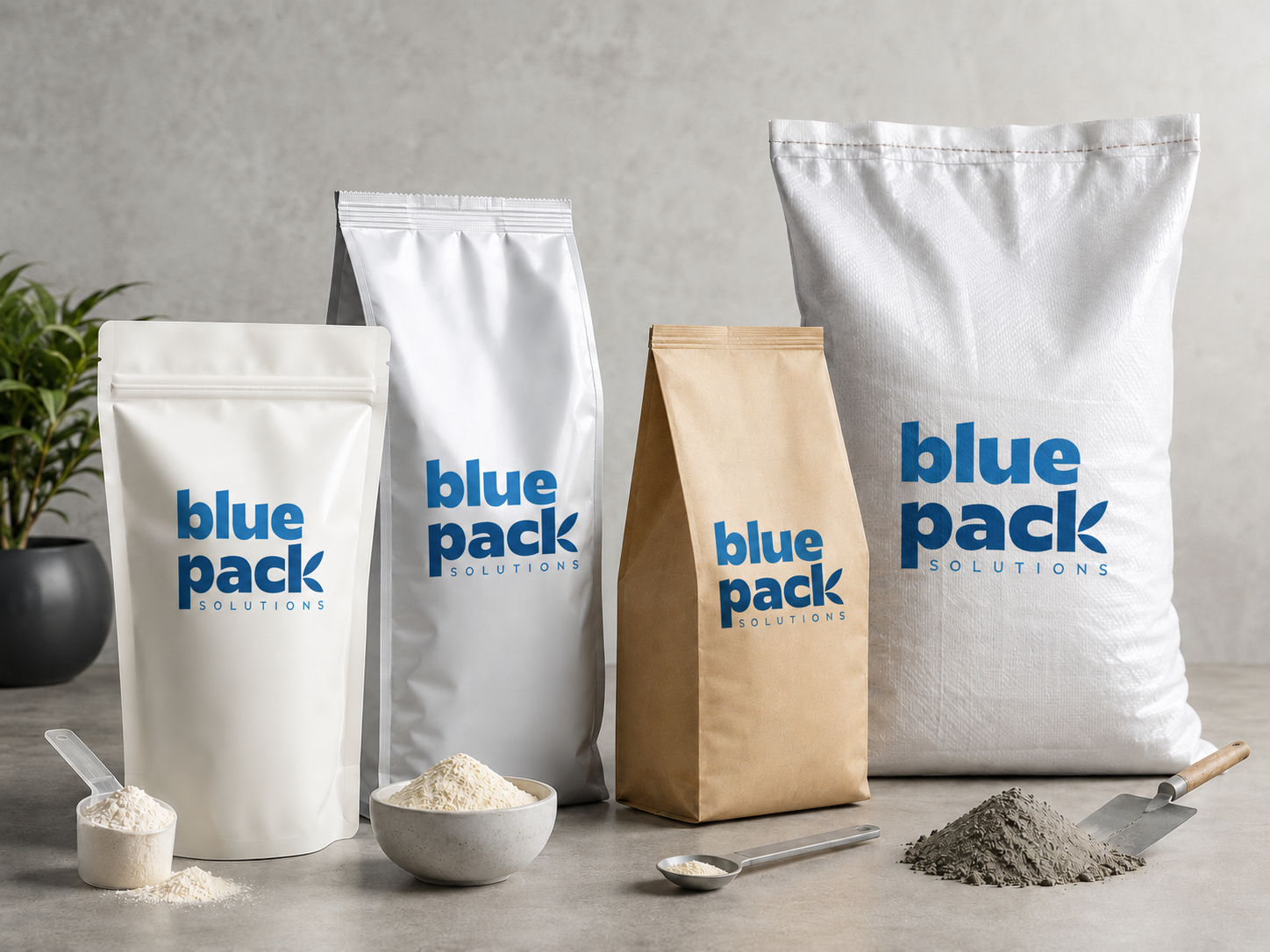
Flexible Packaging for Powder Products: Protection, Strength, and Efficiency.
Powder products present very specific challenges when it comes to flexible packaging design. Unlike solid or liquid products, powders can be sensitive to moisture, generate fine dust during filling, become compacted, lose flowability, contaminate sealing areas, or degrade if the packaging structure is not properly engineered.
That is why choosing the right package depends on much more than format or filling weight. The structure must respond to the characteristics of the product, the packaging process, storage conditions, distribution requirements, and the final use of the product.
From powdered foods and supplements to construction mixes, detergents, and industrial ingredients, flexible packaging must protect the contents and maintain product functionality throughout the entire supply chain.
Why Do Powder Products Require Specialized Packaging?
Powders typically have a large surface area exposed to the surrounding environment. This makes them especially vulnerable to moisture, oxygen, temperature changes, and external contamination.
A poorly designed packaging structure can lead to:
- caking;
- loss of flowability;
- lump formation;
- degradation of sensitive ingredients;
- contamination of the sealing area;
- powder leakage;
- loss of stability during transportation;
- reduced shelf life.
In food products, these issues can affect flavor, texture, aroma, and safety. In supplements, they can compromise stability and dosing. In construction products, they can alter the performance of additives, pigments, resins, or active components.
Moisture: The Main Challenge for Powder Products
One of the most critical factors for this type of product is protection against water vapor.
When a powder absorbs moisture, it can lose its original properties. In food applications, moisture can affect texture and flavor. In supplements, it can reduce stability. In cement-based products, adhesives, or mortars, it can trigger unwanted reactions or compromise performance.
For this reason, WVTR — Water Vapor Transmission Rate — becomes a key indicator when selecting the right packaging structure.
An effective package for powders should help reduce moisture ingress and maintain product stability during storage, transportation, and shelf display.
Reliable Sealing: Essential to Prevent Leakage and Contamination
Sealing is another critical aspect.
Powder products can easily contaminate the sealing area during the filling process. If powder becomes trapped between the layers of the package, it can affect seal integrity and generate microleaks, product loss, or failures during distribution.
For this reason, packaging design must consider:
- sealing system;
- compatibility with filling equipment;
- powder behavior during filling;
- seal strength;
- packaging format;
- product weight.
A reliable seal not only protects the product; it also improves operational efficiency and reduces waste on the packaging line.
Mechanical Resistance and Rough Handling
Many powder products are heavy or distributed under demanding conditions. This is especially important in packaging for construction materials, agricultural products, pet food, industrial ingredients, and larger-volume formats.
The structure must withstand:
- product weight;
- compression during stacking;
- friction during transportation;
- warehouse handling;
- potential drops;
- puncture or abrasion.
In these cases, flexible packaging must combine mechanical strength with good sealability and dimensional stability. The solution is not simply to increase gauge, but to design an efficient structure capable of performing under real-use conditions.
Common Applications
Flexible packaging for powder products can be used across a wide range of industries:
Food
Powdered milk, protein powders, flours, baking mixes, instant coffee, seasonings, instant beverages, and dehydrated products.
Supplements and Nutrition
Protein powders, collagen, powdered vitamins, functional formulas, and nutritional blends.
Pet Food and Animal Nutrition
Premixes, supplements, additives, functional ingredients, and complementary products.
Construction
Grouts, adhesives, mortars, pigments, powdered sealers, coatings, and cement-based mixes.
Household and Industrial Products
Powder detergents, cleaners, dry chemicals, and industrial ingredients.
Each application requires a different combination of barrier performance, mechanical strength, sealing reliability, and packaging format.
Recommended Packaging Formats
Depending on the product and sales channel, powders can be packed in different flexible formats:
- stand-up pouch;
- zipper pouch;
- side seal pouch;
- flat bottom bag;
- folded bottom bag;
- pinch bottom bag;
- high-strength industrial packaging;
- structures with transparent windows;
- high-barrier laminates;
- recyclable or monomaterial structures, when the application allows it.
The right format should consider product weight, shelf presentation, ease of use, reclosure after opening, and filling efficiency.
Sustainability and Material Optimization
Sustainability is also transforming the way powder packaging is designed.
Today, it is possible to develop more efficient structures through downgauging, recyclable materials, monomaterial solutions, or PE- and PP-based structures, as long as they meet the technical requirements of the product.
However, for powder products, sustainability should not be evaluated in isolation. A lighter or more recyclable package must still protect against moisture, leakage, and mechanical damage.
When packaging fails to protect the product properly, it can generate waste, returns, and product loss, increasing the total environmental impact.
The key is to find the right balance between performance, efficiency, and sustainability.
Blue Pack Solutions
At Blue Pack Solutions, we develop flexible packaging for powder products based on the real conditions of each application: moisture sensitivity, filling weight, required mechanical resistance, packaging process, expected shelf life, and sustainability objectives.
Our approach allows us to design structures that protect the product, optimize processes, and strengthen brand presentation across industries such as food, pet food, construction, household care, and industrial ingredients.
Protecting what the world creates.
Smarter Packaging. Sustainable Solutions.
Entradas Relacionadas