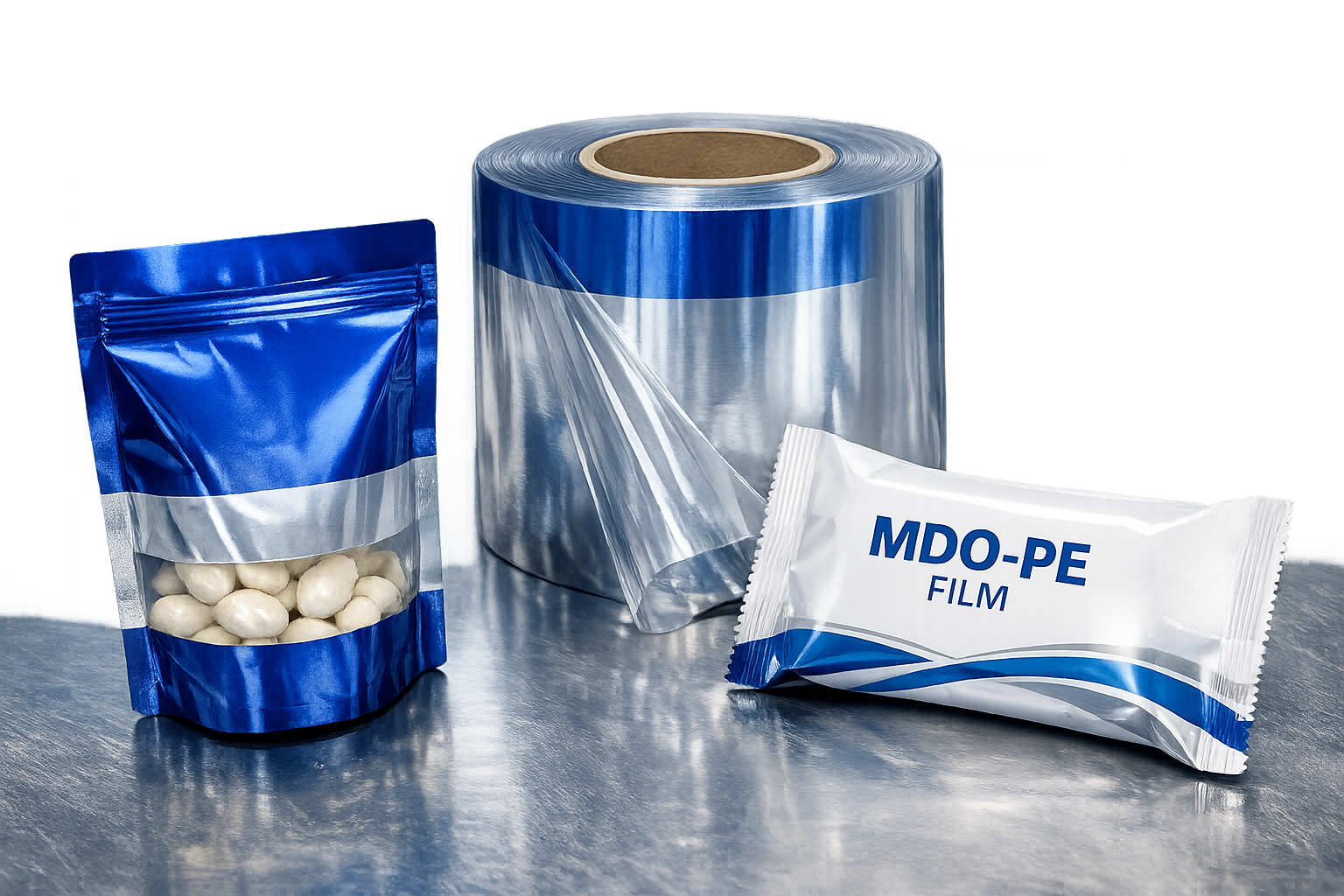
Machine Direction Orientation (MDO) has become one of the most…
Flexible packaging trends for 2026
Innovation, sustainability, and operational efficiency for a transforming industry
As of 2026, flexible packaging continues to stand out as one of the most adaptable and forward-thinking solutions in the global packaging landscape. Beyond aesthetics and lightweight design, the industry’s top priorities are shifting toward circularity, performance, and system-wide compatibility. Below, we present the key trends shaping the technical future of flexible packaging.
1. Recyclable mono-materials with high barrier performance
A major challenge in recent years has been replacing complex multilayer structures (like PET/ALU/PE or PET/PE) with mono-material alternatives—without compromising barrier performance or mechanical resistance. In 2026, several mature solutions are being widely adopted:
- MDO-PE/EVOH/PE: ideal for high-barrier stand-up pouches with transparent windows.
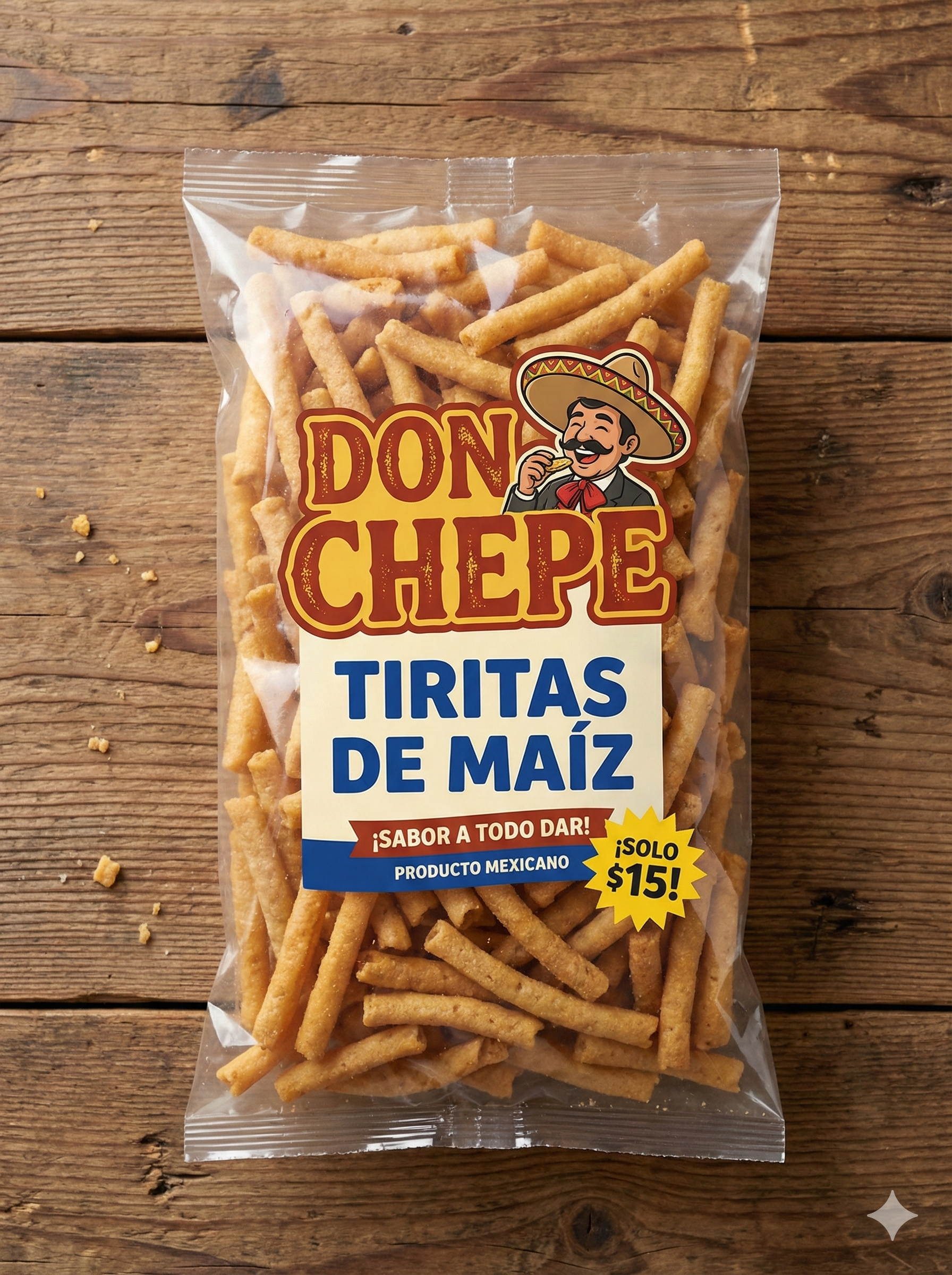
- BOPP/BOPP sealable and BOPP/EVOH/BOPP: preferred for snacks, cereals, and dry foods.
- PE/PE or PP/PP low-density variations: used in flowpacks and flat pouches.
These recyclable structures maintain heat-seal integrity, product protection, and shelf appeal.
2. Evolution in sealing technologies
High-speed lines and energy efficiency demands are driving rapid innovation in sealing systems:
- Ultrasonic sealing (Totani and others): ensures clean, strong seals with minimal energy use and no overheating.
- Next-generation cold seal adhesives: optimized for fast lines, with better control and bond strength—ideal for bars and confectionery.
- Laser scoring and micro-perforation: integrated during lamination or conversion for precise, easy-open formats.
The focus is on achieving repeatable, hermetic, and efficient seals with minimal waste.
3. More robust and functional compostable films
As compostable packaging gains traction, new film technologies have improved functionality and processing performance:
- PHA + PBAT blends: now offer better mechanical strength and elasticity.
- Cellulose films laminated with bio-PE or PLA: ideal for dry foods and clean-label applications.
- Modified PLA grades: less brittle, more thermally stable.
While still niche, compostable films are expanding in regulated markets and natural/organic segments.
4. Packaging 4.0: Digitalized, data-driven packaging lines
Smart automation and real-time data collection are transforming flexible packaging operations:
- Inline sensors for tension, seal temperature, and defect detection.
- MES/ERP integration for full traceability—from resin batch to final pouch.
- Predictive film roll changeovers, reducing downtime and improving OEE.
Digitalization delivers precision, uptime, and operational intelligence for high-performance lines.
5. Refillable and reusable packaging formats
Circular economy strategies are driving innovation beyond recyclability. Reusability is becoming a critical packaging function:
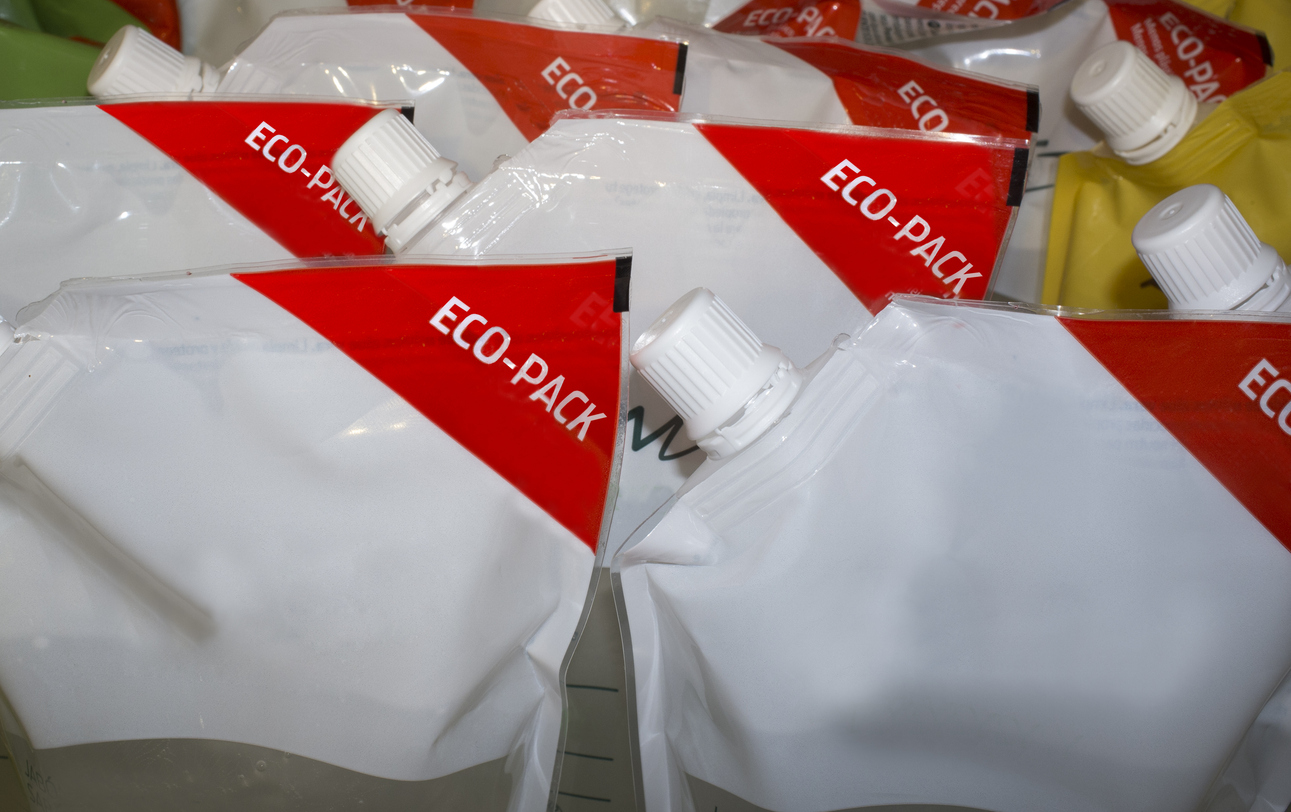
- Doypacks with reinforced zipper and valve spout, designed for home or in-store refill.
- Preformed pouches for multi-use durability, especially in home care and pet food.
- Dispensable stand-up pouches, offering a user-friendly refill experience.
Designing for reusability requires structure performance, functional closures, and consumer-centric design.
6. More sustainable and versatile printing technologies
Printing for flexible packaging is shifting toward lower environmental impact and greater adaptability:
- Water-based or solvent-free inks, ideal for reducing VOC emissions and migration risks.
- Low ink coverage flexo HD printing, improving recyclability and visual appeal.
- Digital printing, increasingly adopted for short runs, personalization, and agile campaigns.
These advances reduce waste, increase line flexibility, and enable rapid market response.
Conclusion
Flexible packaging in 2026 reflects an industry moving beyond aesthetics or lightweighting. Material science, smart equipment, and sustainability principles now converge to deliver high-efficiency, high-performance, and future-ready solutions. At Blue Pack Solutions, we engineer flexible packaging that meets the most demanding specs while aligning with global sustainability goals.
Is your packaging line ready for what’s next?
Let’s build it together—smarter, cleaner, and faster.
Entradas Relacionadas