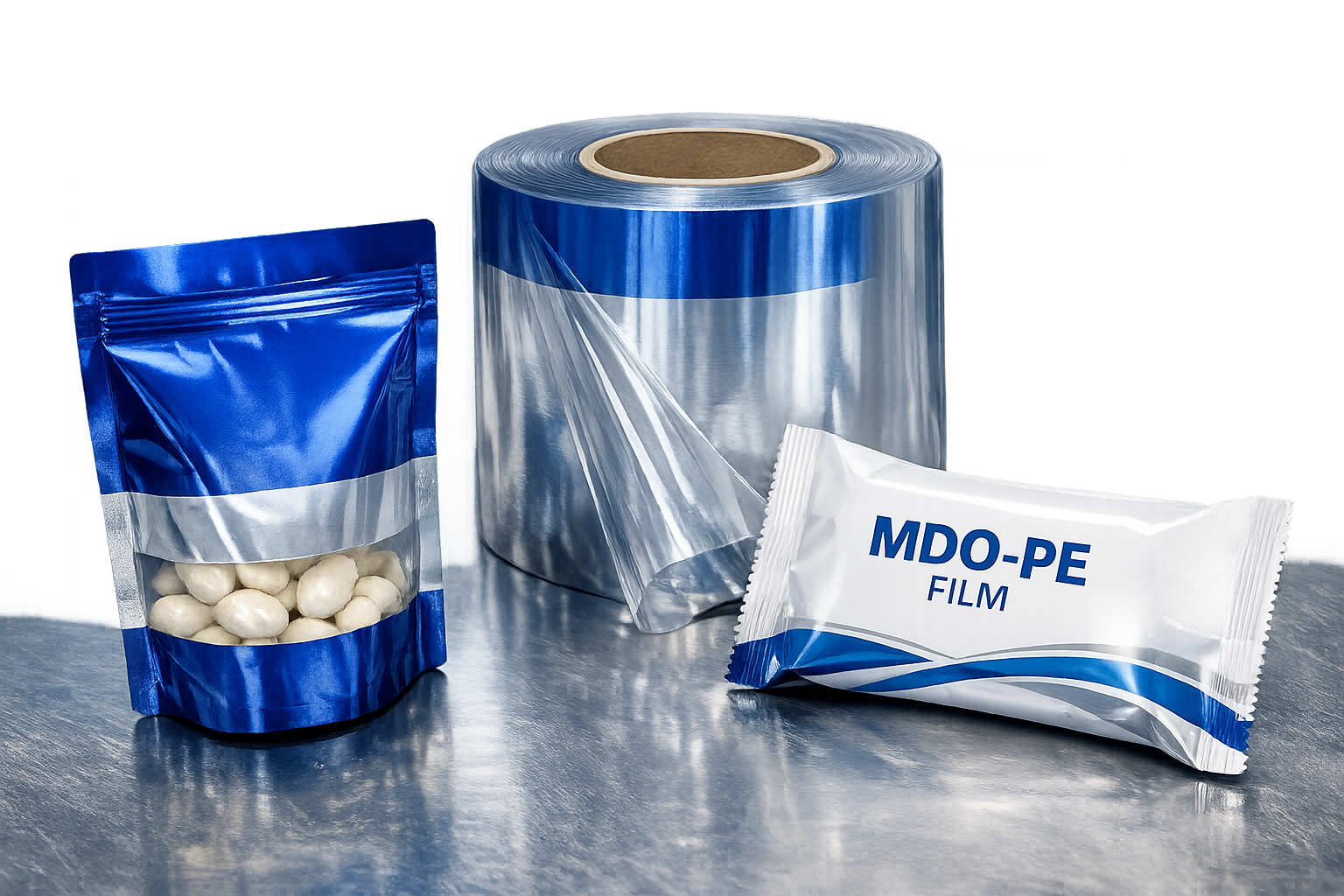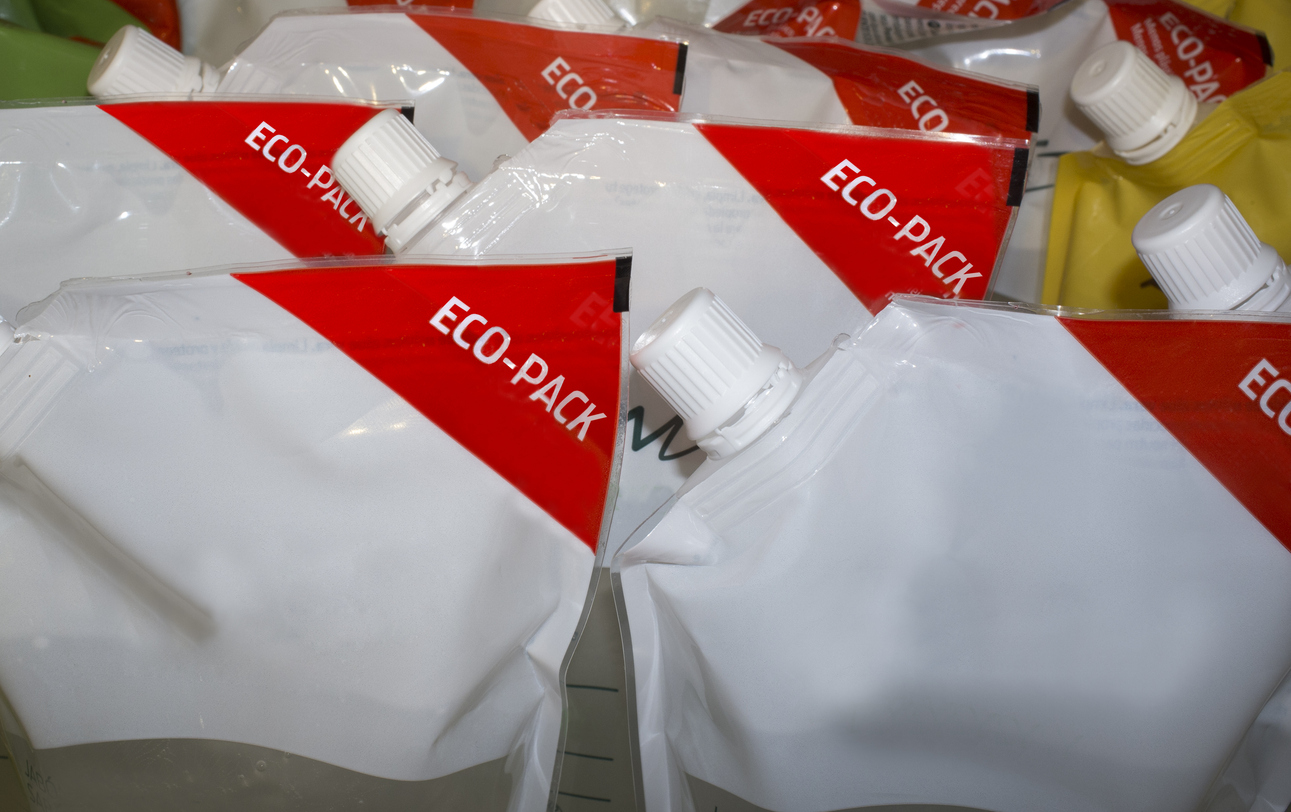
Machine Direction Orientation (MDO) has become one of the most…
Flexible Packaging for High-Turnover Snacks: Performance, Cost, and Efficiency
Low-cost snacks—such as pork rinds, churros, and traditional mixes—represent a fast-moving category in traditional markets. For these products, flexible packaging plays a critical role not only in preserving freshness but also in optimizing costs and logistics. Below, we explore the key features, requirements, and benefits of this type of packaging from a technical perspective.
1. Technical Features of Low-Cost Snack Packaging
• Simple, functional, and cost-effective structure
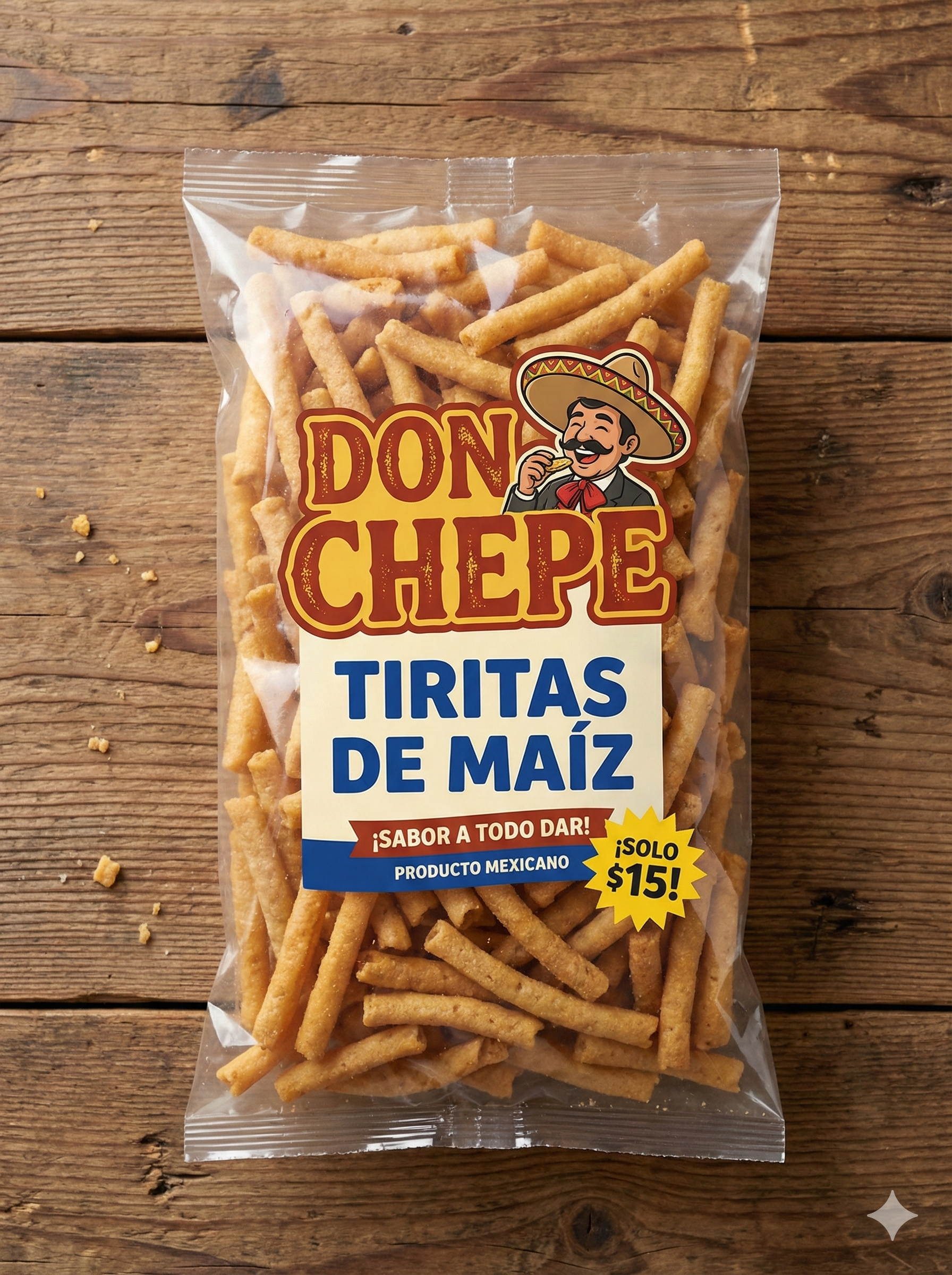
The most common design for this segment is a single-layer structure made of biaxially oriented polypropylene (BOPP) or, in some cases, low-density polyethylene (LDPE), either clear or printed. The goal is to keep the film as thin as possible (20–30 microns) while maintaining tear resistance and seal integrity.
• High-performance heat sealing
Since these snacks are typically packaged on high-speed lines, the film must offer excellent sealability at low temperatures and a wide thermal window to ensure hermetic seals without slowing down production.
• Vertical flowpack presentation
The most widely used format is the pillow pack, manufactured on vertical form-fill-seal (VFFS) machines. This allows for high production speeds and a compact, practical design.
• Low unit-cost materials
Material cost per pack is a key factor. Non-laminated, non-metallized films are preferred, often with low-coverage flexographic printing to minimize ink usage.
2. Mandatory Requirements for This Segment
• Moisture protection
Although not high-barrier, the packaging must protect the snack from ambient humidity to preserve its crisp texture throughout shelf life.
• Mechanical integrity
Despite their thinness, these packs must withstand stacking, handling, and transport under often suboptimal conditions (e.g., street markets, small retailers).
• Strong visual presentation
Film transparency allows consumers to see the product inside—a key factor for conveying freshness, volume, and quality. Partial printing or adhesive labels are sometimes used.
• Compatibility with local equipment
These packages are typically produced on standard VFFS lines. Therefore, the film must be compatible with general-use machines and require minimal maintenance.
3. Benefits of Flexible Packaging for Popular Snacks
✅ Ultra-competitive unit cost
Packaging accounts for a minimal percentage of total product cost, enabling affordable retail prices.
✅ High-speed production
Engineered to run at over 80 packs per minute, maximizing operational output in high-volume facilities.
✅ Reduced waste and spoilage
Hermetic seals and tight-fitting film help prevent leakage, texture loss, and contamination from external agents.
✅ Ease of distribution and display
Lightweight and flexible, the packs can be displayed using clips, multipacks, or display boxes—boosting logistics and shelf visibility.
Conclusion
Flexible packaging for low-cost snacks demands a precise balance between technical performance and cost. While simpler than premium formats, every detail—from film selection to seal design—must be optimized for maximum efficiency. At Blue Pack Solutions, we develop structures tailored to the needs of this high-turnover segment, with a focus on productivity, waste reduction, and machine compatibility.
Looking to develop functional, cost-effective, and reliable packaging for high-turnover snacks?
Let’s talk. We can help you optimize your packaging—from film formulation to plant performance.
Entradas Relacionadas