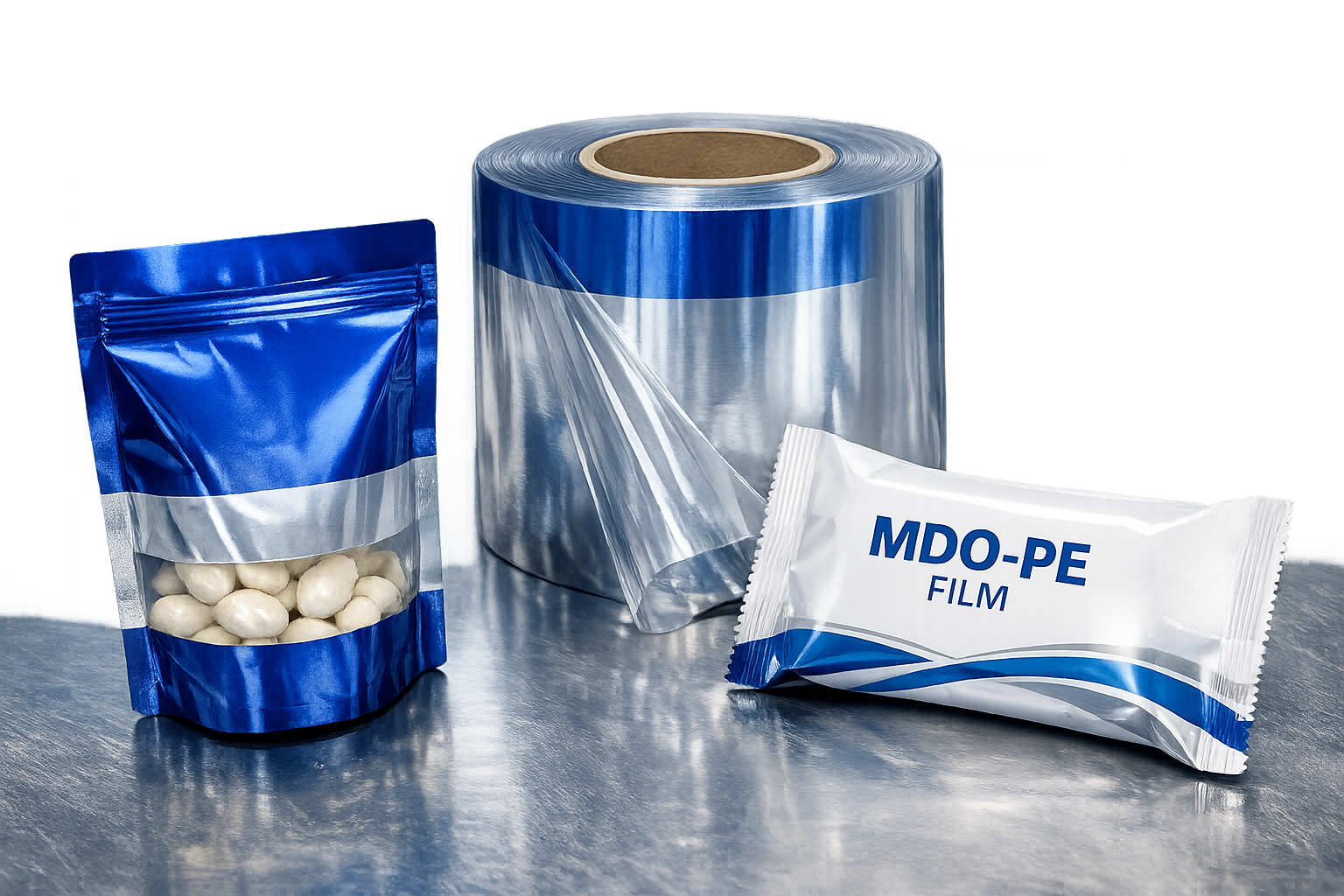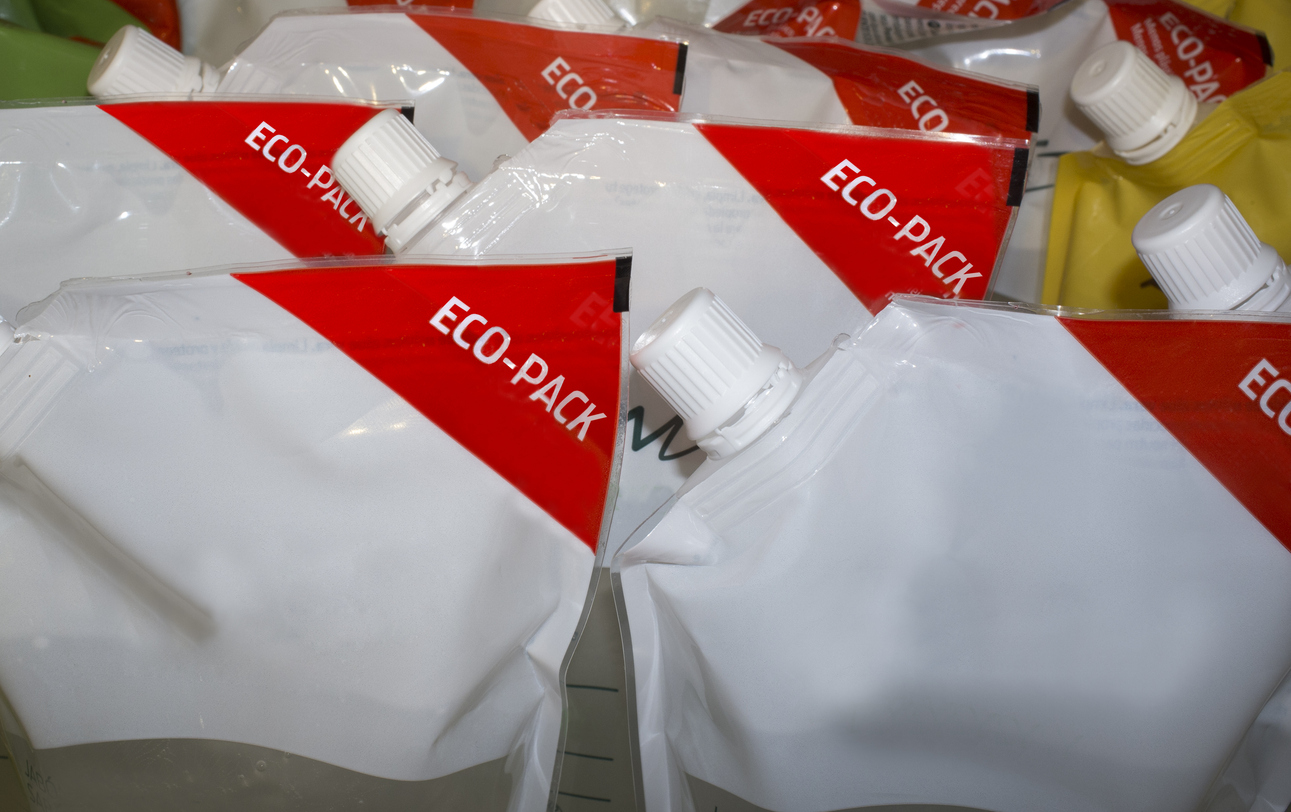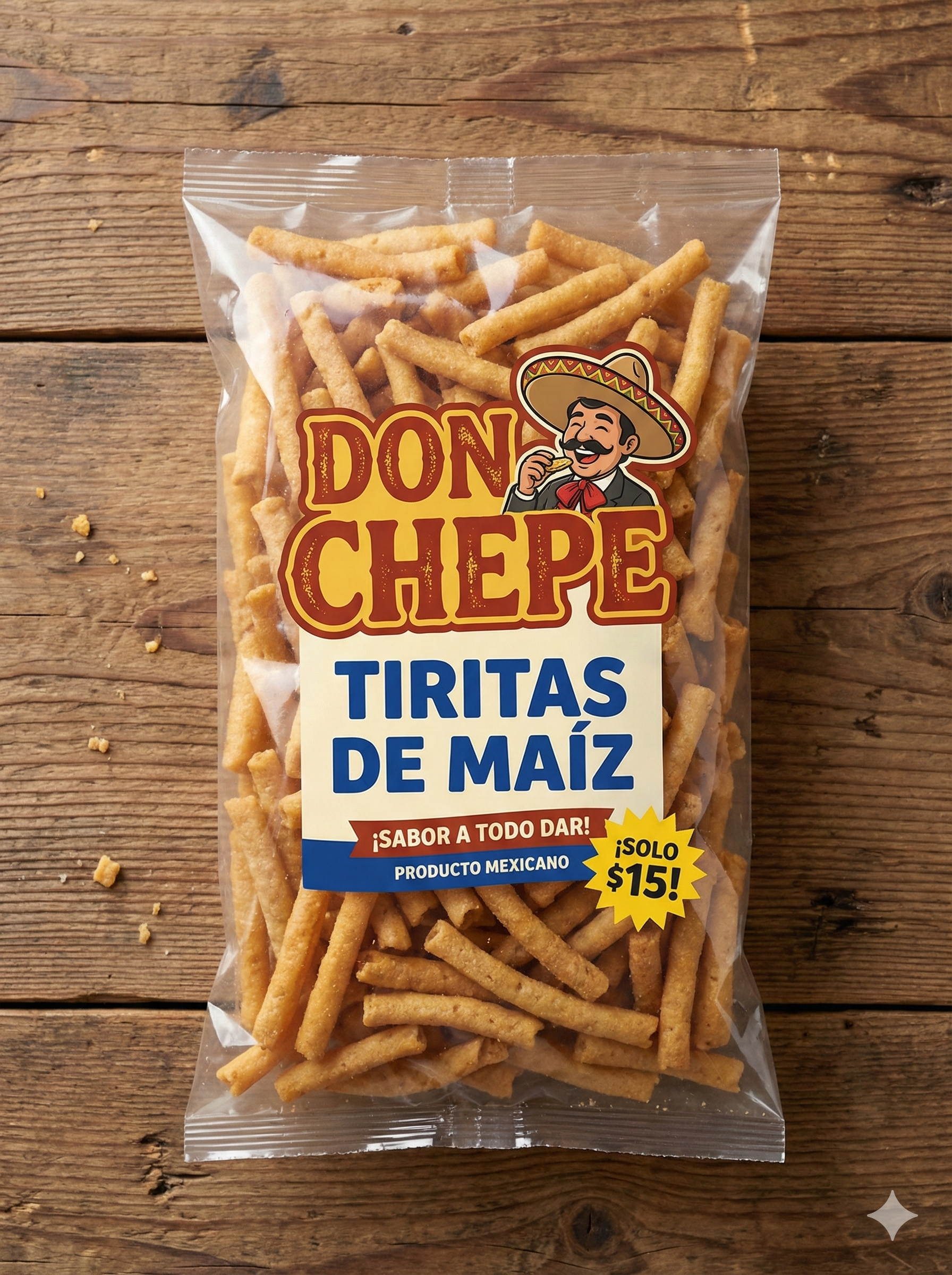
Machine Direction Orientation (MDO) has become one of the most…
Flexible Packaging for Fresh Produce: Ventilation, Freshness, and Shelf Appeal
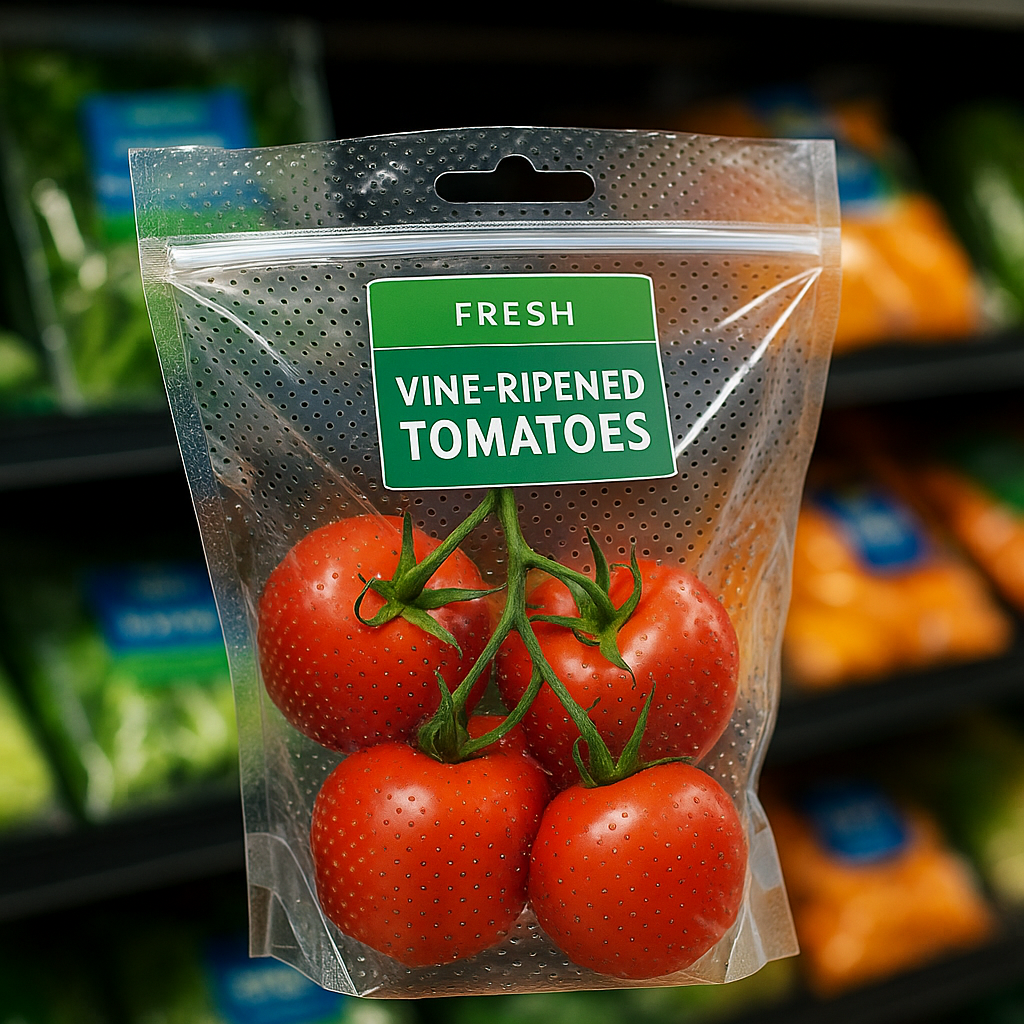
In the fresh fruits and vegetables markets, packaging is not just about protection — it plays a critical role in preserving quality and extending shelf life. Unlike processed foods, fresh produce continues to breathe, ripen, and degrade after harvest. That’s why ventilated flexible packaging with perforations or microperforations is essential for this segment.
Why Specialized Packaging Matters
Produce continues to release gases like ethylene after harvest. Without proper ventilation, this accelerates ripening and may promote microbial growth. Effective packaging must:
- Allow gas exchange (oxygen and CO₂)
- Minimize internal condensation
- Withstand cold-chain conditions
- Maintain product integrity during transport and handling
Types of Perforation in Produce Packaging
- Standard perforations: Larger holes (2–10 mm) for air circulation in bulkier products like carrots, lettuce, or apples.
- Microperforations: Tiny holes (<1 mm) that balance gas exchange and moisture control — ideal for berries, grapes, and cherry tomatoes.
- Laser perforation: Enables highly precise control over hole size, pattern, and density, typically used on BOPP, CPP, or PE films.
Benefits of Ventilated Flexible Packaging
- Freshness retention: Prevents condensation, inhibits mold, and keeps produce fresh longer.
- Controlled respiration: Adjusts oxygen levels inside the package to slow down ripening.
- Shelf visibility: Transparent or semi-matte films showcase the product attractively.
- Waste reduction: Longer shelf life means lower product losses in retail and distribution.
- Sustainability: Lightweight materials reduce logistics costs and environmental impact.
Common Packaging Structures
- BOPP + PE with microperforations
- CPP film with flexo or digital print
- Recyclable mono-material PE for flowpacks or preformed pouches
- Wicketed bags with customized ventilation
By Product Type
- High-moisture fruits: (grapes, berries) need microperforations to avoid condensation.
- Leafy greens: (lettuce, kale, spinach) benefit from larger airflow holes.
- Root vegetables: (carrots, beets) require puncture-resistant packaging with standard vents.
Additional Considerations
- Machine compatibility: Packaging must run smoothly on VFFS and HFFS equipment.
- Cold resistance: Films must stay flexible and sealed under refrigeration.
- Branding options: Printed zones can coexist with ventilated areas for brand visibility.
Conclusion
Ventilated flexible packaging is an essential tool for brands and distributors in the fresh produce market looking to prolong shelf life, minimize waste, and create a premium presentation. At Blue Pack Solutions, we offer custom-engineered packaging for fruits and vegetables with laser perforation, recyclable structures, and high-quality print options.
Want to protect your produce and preserve its freshness? Let’s talk.
Entradas Relacionadas