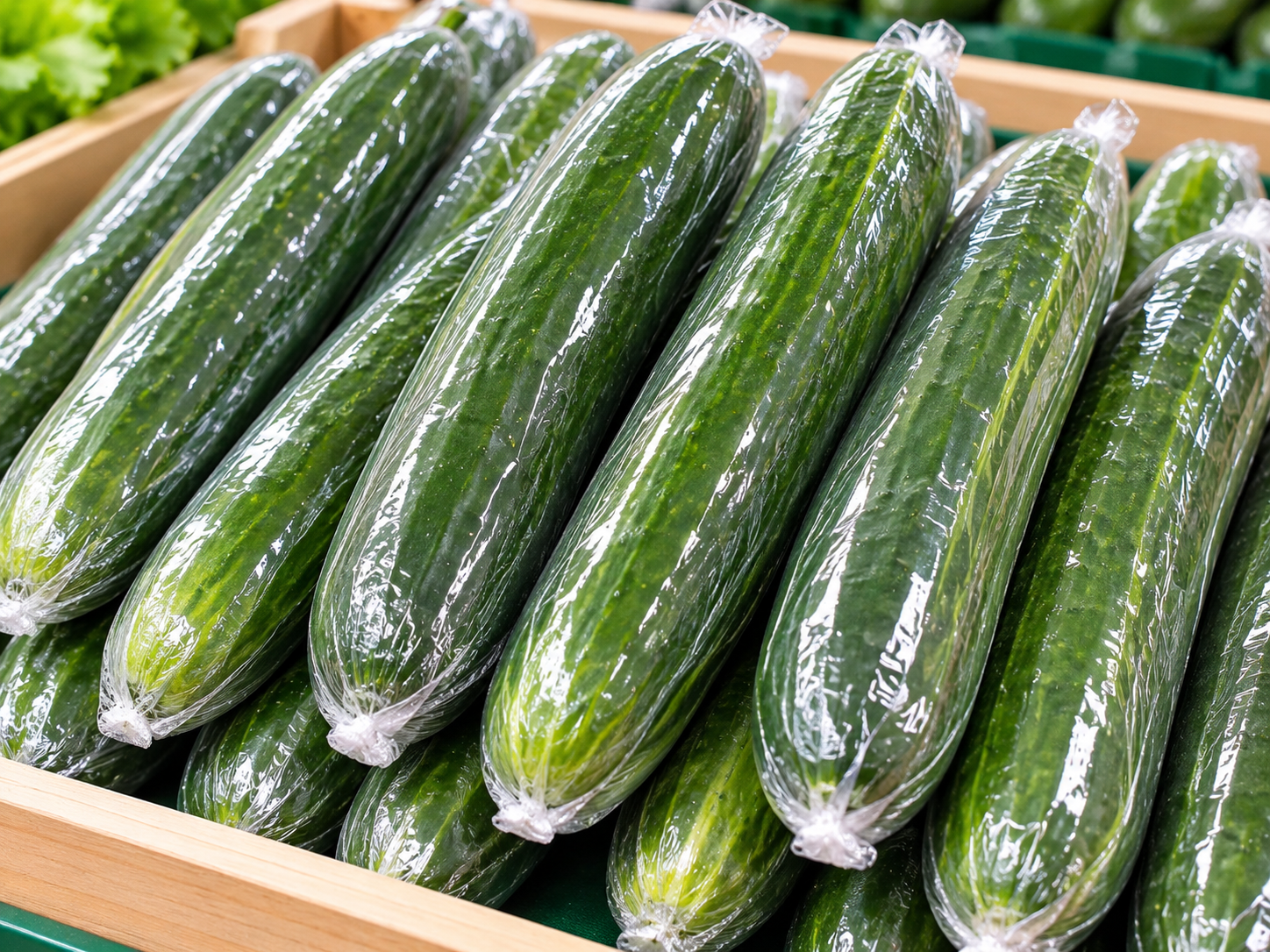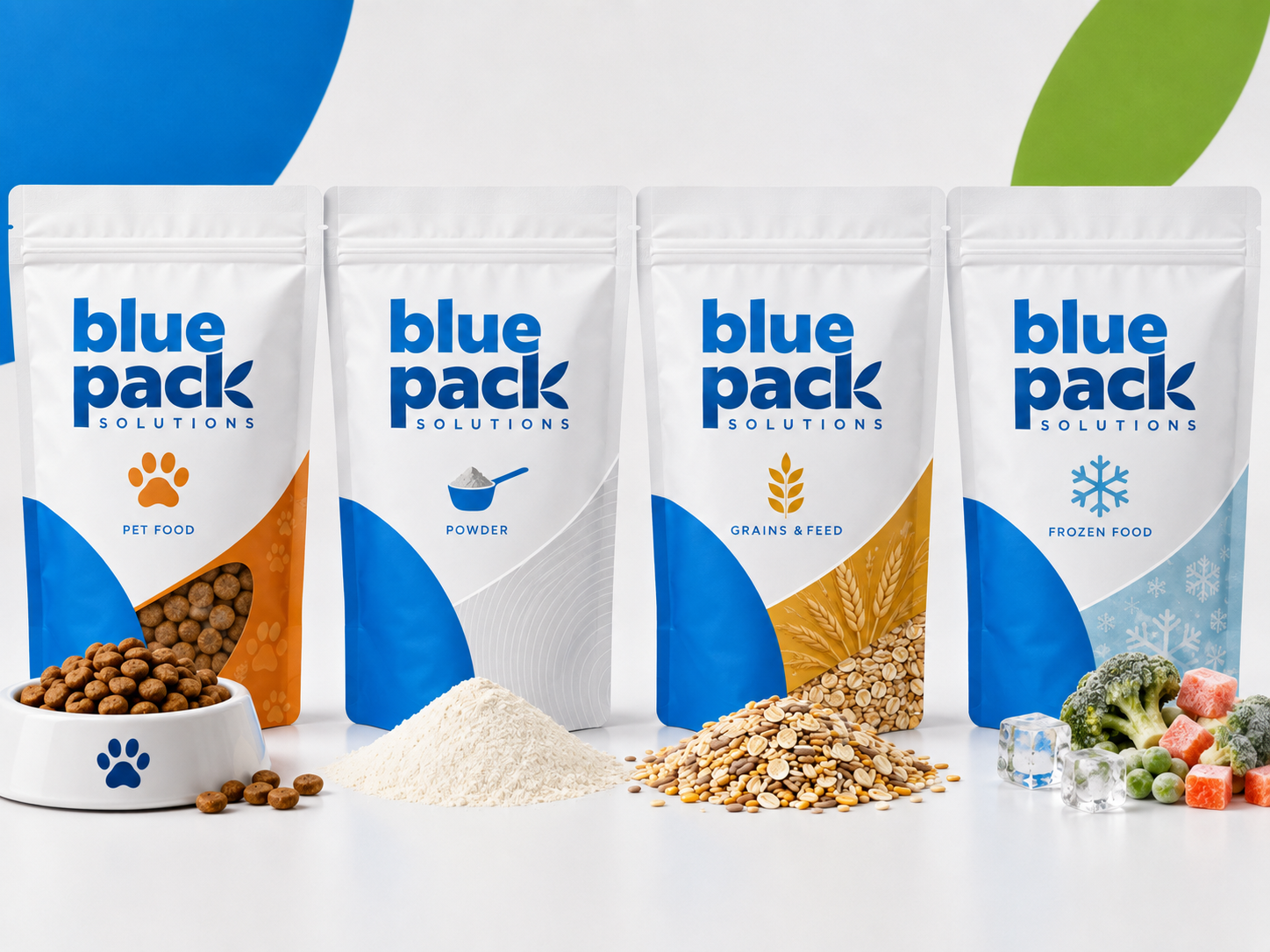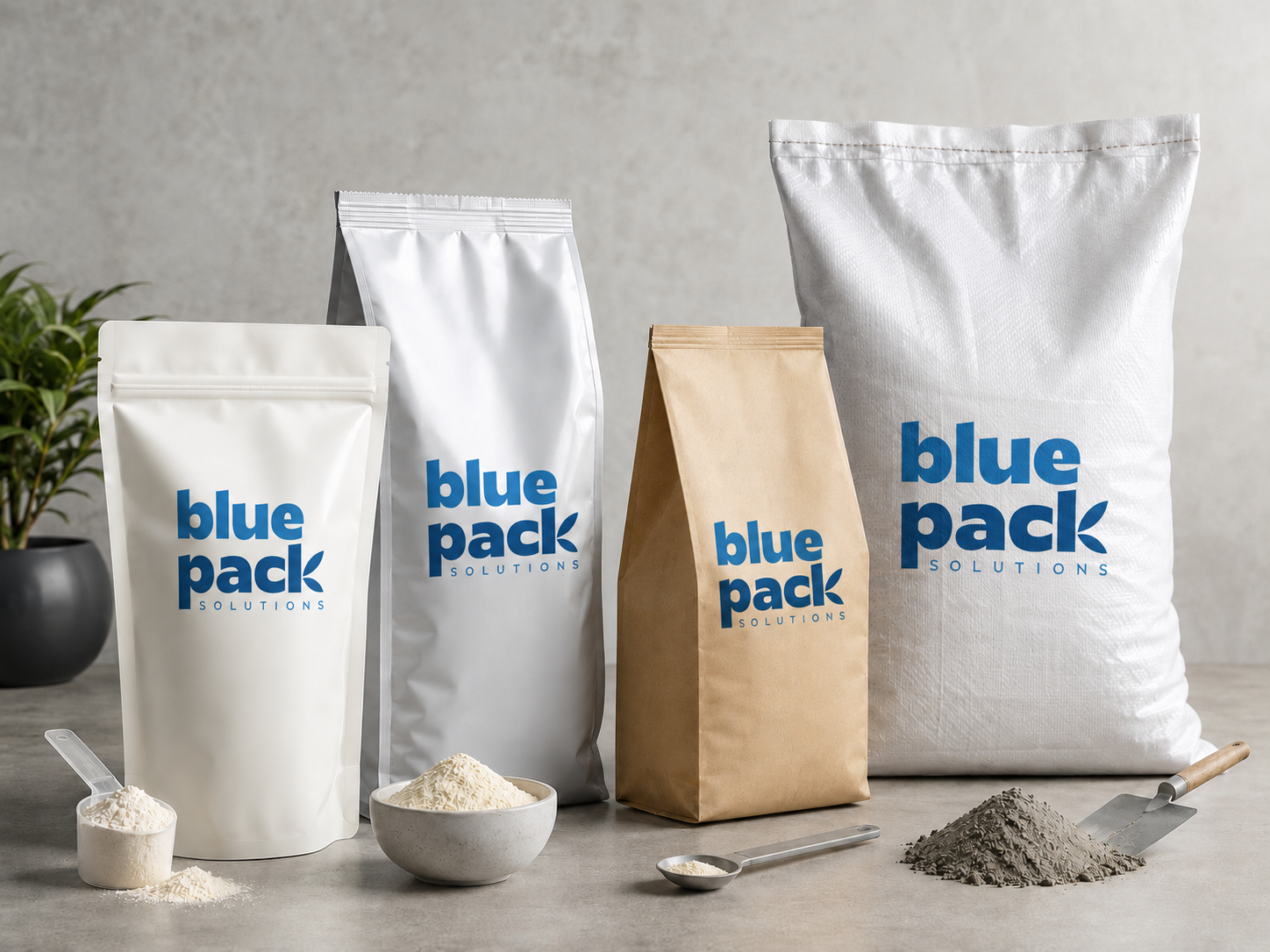
Learn how shrink PE can be used as primary food packaging, including its advantages, applications, technical considerations, logistics benefits, and sustainability potential.
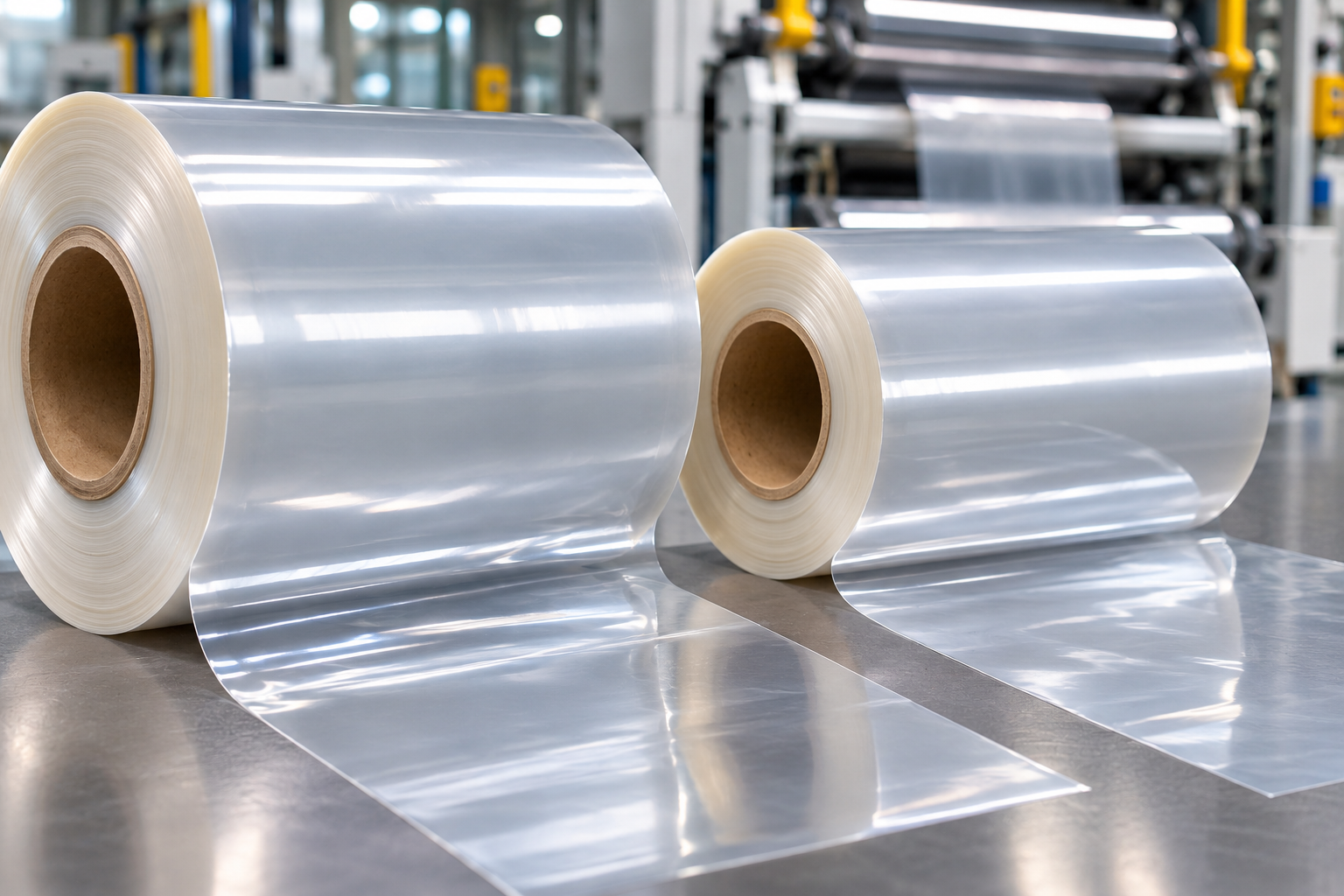
Downgauging in Flexible Packaging: Less Material, Same Performance
How film engineering helps optimize material consumption, reduce costs, and develop more efficient packaging solutions.
In the flexible packaging industry, using less material does not necessarily mean sacrificing strength, protection, or functionality. Advances in resin formulations, extrusion technologies, and multilayer structure design make it possible to develop thinner films capable of meeting the demands of various industrial applications.
This strategy, known as downgauging, offers an opportunity to optimize resources and improve packaging efficiency. However, successful implementation requires much more than simply reducing film thickness.
The real objective is to reduce material consumption while maintaining the properties required to protect the product and ensure reliable performance throughout filling, storage, transportation, and end use.
What Is Downgauging?
Film gauge refers to the thickness of a flexible film, typically expressed in microns (µm).
Downgauging involves reducing film thickness through adjustments to material composition, structure, or manufacturing processes while preserving the functional properties required for a specific application.
For example, a 100 µm polyethylene film could be redesigned to achieve a thickness of 85 µm. Assuming the same surface area and material density, this represents an approximate 15% reduction in film weight.
However, reducing thickness does not automatically guarantee that the packaging will maintain its mechanical strength, sealing performance, or processing characteristics.
For this reason, downgauging should be approached as a materials engineering project rather than simply a reduction in film thickness.
The Engineering Behind Thinner Films
Developing thinner films relies on different technologies and formulation strategies.
1. High-Performance Resin Selection
Combining different polyethylene grades, such as LDPE, LLDPE, and high-performance linear polyethylene resins, allows manufacturers to optimize properties including tensile strength, elongation, impact resistance, and puncture resistance.
Metallocene-based polyethylene resins, for example, can provide improved mechanical properties that support downgauging in certain applications.
Material selection depends on the required performance characteristics and the actual processing and end-use conditions.
2. Optimized Multilayer Structures
Coextrusion technology allows different materials to be distributed across multiple layers, each designed to perform a specific function.
A film may combine outer layers engineered for strength, intermediate layers that contribute to mechanical or barrier performance, and inner layers optimized for heat sealing.
This functional distribution enables more efficient use of each component and, in certain cases, a reduction in total film thickness.
3. Film Orientation Technologies
Molecular orientation processes, such as Machine Direction Orientation (MDO), modify film properties through controlled stretching.
In certain structures, this technology makes it possible to produce thinner films with increased stiffness and improved optical properties.
However, orientation also changes mechanical behavior in different directions. Its suitability must therefore be evaluated according to the specific requirements of the packaging application.
Which Properties Must Be Maintained?
The feasibility of downgauging depends on whether the redesigned film continues to meet the application’s performance requirements.
The most important properties include:
- Mechanical strength: The ability to withstand tensile stress, impact, tearing, and puncture during processing and distribution.
- Seal integrity: Seal strength and the ability to produce reliable seals under actual production conditions.
- Barrier performance: Control of oxygen, moisture, and other substances that may affect product stability.
- Machinability: Film behavior during forming, filling, sealing, and cutting, including dimensional stability and coefficient of friction.
- Logistics performance: Packaging resistance to compression, handling, vibration, and transportation conditions.
A thinner film may deliver excellent laboratory results while presenting difficulties during industrial processing.
Therefore, validation must consider both material properties and performance on the customer’s packaging equipment.
Economic and Environmental Benefits
When properly implemented, downgauging can generate benefits throughout the supply chain.
Reduced Raw Material Consumption
Lower film weight per unit area allows manufacturers to produce more square meters of film from the same amount of material, provided manufacturing conditions and material utilization remain comparable.
Cost Optimization
Reducing resin consumption can help lower material costs per package. However, actual savings also depend on resin prices, converting processes, production yields, and waste levels.
Logistics Efficiency
In applications where packaging material weight or volume represents a significant portion of the shipment, lighter films may contribute to more efficient storage and transportation.
Reduced Environmental Impact
Using less virgin material per functional unit can reduce resource consumption and the environmental impacts associated with packaging production.
However, environmental benefits should be assessed across the entire product life cycle. If downgauging leads to increased waste, product damage, or losses during distribution, the overall result may be counterproductive.
Where Can Downgauging Be Applied?
Downgauging offers potential benefits across several flexible packaging segments.
Shrink Films
Through appropriate resin selection and control of shrink properties, thinner films can be developed while maintaining the strength and dimensional stability required for specific applications.
Food Packaging
Certain structures can be optimized while preserving the barrier, mechanical, and sealing properties necessary to protect the packaged product.
Pouches and Flexible Bags
Redesigning laminates and coextruded structures can enable a more efficient distribution of materials while accounting for the mechanical demands of each packaging format.
Industrial Packaging
In selected applications, high-performance resins can help reduce material consumption without compromising protection during handling and transportation.
In every case, feasibility depends on the product, packaging format, filling equipment, and distribution conditions.
When Is Downgauging Not Recommended?
Not every packaging structure is suitable for thickness reduction.
In packages exposed to high mechanical stress, demanding thermal conditions, or strict barrier requirements, excessive downgauging may compromise performance.
Manufacturing tolerances must also be considered. Achieving a lower nominal thickness is not enough; gauge variation must remain within limits compatible with the intended application.
For this reason, any structural modification should be supported by laboratory testing, machinability evaluations, and validation under actual production conditions.
Blue Pack Solutions: Optimization Starts with Structure
At Blue Pack Solutions, we understand that packaging efficiency begins with the appropriate selection of materials and technologies.
Evaluating flexible packaging structures helps identify optimization opportunities by considering mechanical properties, barrier requirements, sealing conditions, and the specific characteristics of each application.
Downgauging is part of this approach: using materials more efficiently without compromising functionality or product protection.
The best packaging solution is not necessarily the thickest or the thinnest, but the one that uses the right amount of material to perform its intended function.
Smarter Packaging, Sustainable Solutions.
Entradas Relacionadas